
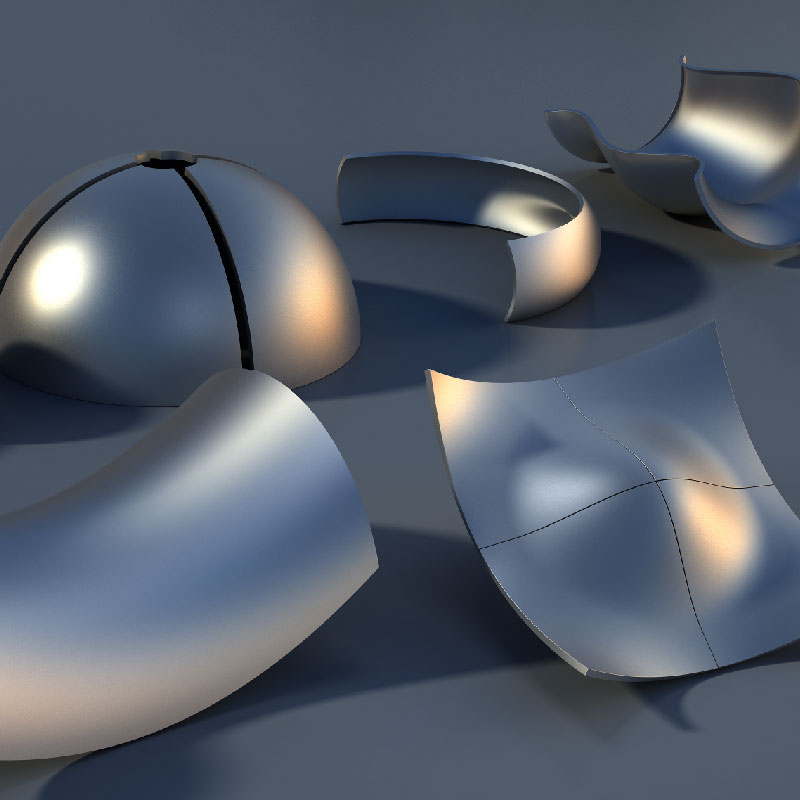
Why Benchmark Aluminum Veneer Now?
Ever roll up to a jobsite and feel the vibe go sideways because the facade plan wasn’t dialed? Aluminum Veneer gets thrown into the mix late, someone eyeballs a spec, and boom—schedule slip, cost creep, and a lot of finger-pointing. Industry trackers say up to a third of cladding rework comes from measurement misses and tolerance drift—no joke. So, how do you keep your aluminum veneer panel choices tight, fast, and clean? (And yeah, still make it look fresh.) What if you could sniff out risk before it locks into your subframe?
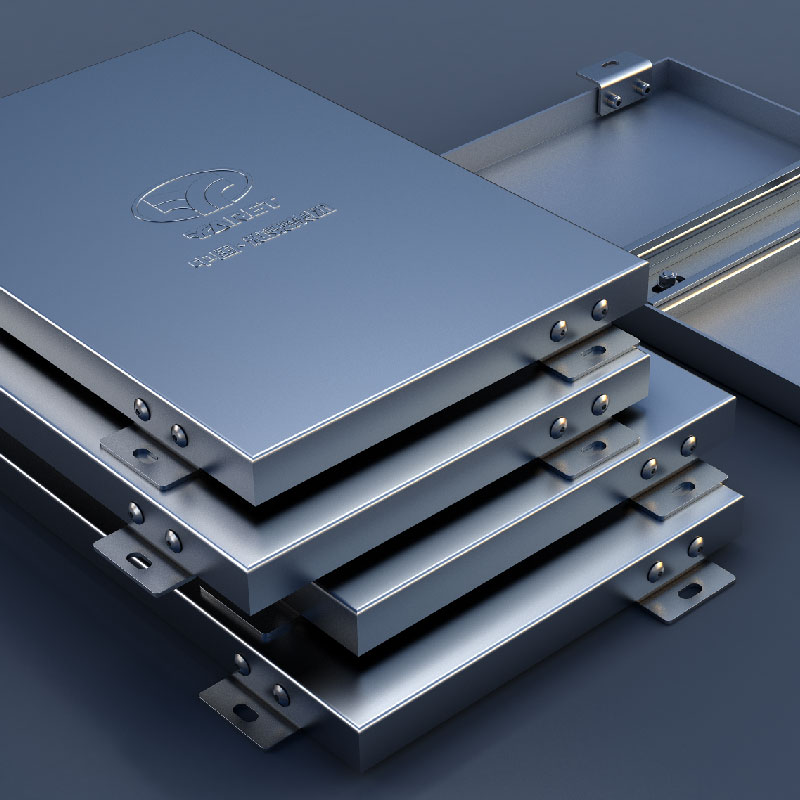
Picture a mid-rise on a windy corner. Panels hum under peak wind load, fasteners back off, and the PVDF coating is fine—but the layout wasn’t. Not the montage you wanted. Now ask yourself: are we comparing systems by real install time, by edge-to-edge flatness, or by “catalog vibes”? And where do we account for thermal break and tolerance stack-up? Rhetorical, but not really. Because if we can benchmark the right stuff upfront, you skate past most of the pain. Let’s get into what usually gets missed—and how to measure it for real.
Hidden Pain Points Most Teams Miss
Where do specs trip up?
Here’s the technical truth. Most “apples-to-apples” comparisons aren’t. They skip substrate conditions, skip anchor layout density, and skip panel flatness at the perimeter. That’s how pretty drawings become gnarly installs—funny how that works, right? Look, it’s simpler than you think: define the metrics that actually move the build. Track fastener torque retention after thermal cycling. Log actual rain-screen performance at the joints, not just a lab number. Map tolerance stack-up from wall to panel to cap. And don’t sleep on the reveal: poor CNC routing can warp the edge band, even with a solid PVDF coating. Those small misses stack into big drift.
Another hidden bite is wind load versus bracket spacing. Folks love a slick brochure, but the subframe tells the real story. If your clips need tight spacing to pass local code, your labor blows up. If your system needs custom shims at every third bay, your QA time doubles—wild but true. The fix? Benchmark real install cycles with a site mockup and a simple punch-list: bracket layout, panel fit on out-of-plane walls, and rework minutes per panel. That’s the clean way to price and plan, without getting juked by glossy specs.
New Principles and Real-World Checks
What’s Next
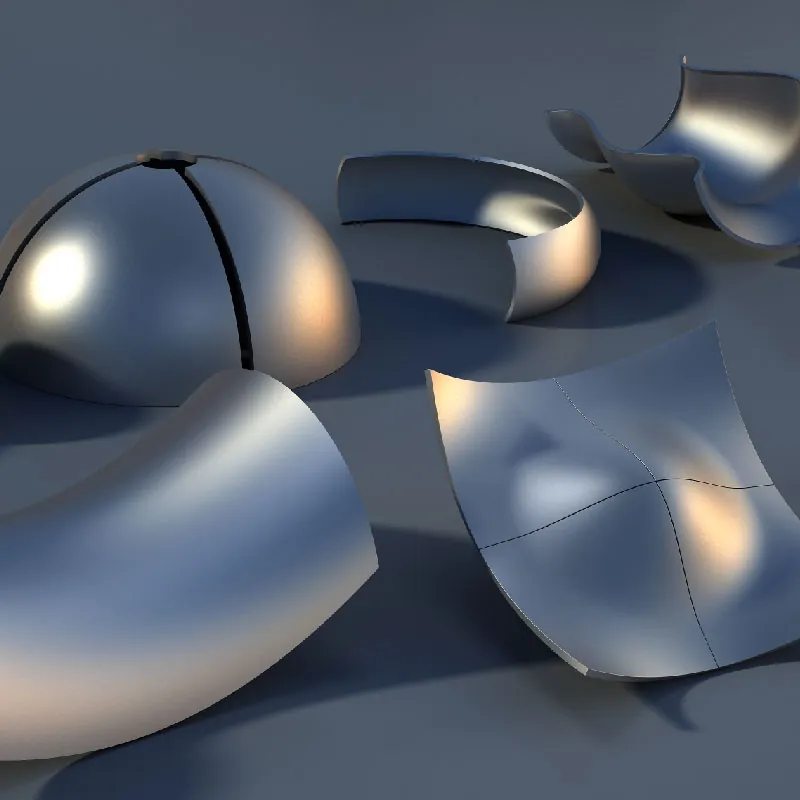
Forward-looking? Go beyond the brochure with tech that actually matters on-site. Use parametric modeling to predict edge gaps before you route anything. Feed BIM with wall plumb data and simulate bracket offsets—then generate a cut list that bakes in real-world variance. Pair that with laser scans, and you’ll see which runs need pre-slotted anchors versus fixed points. Bonus: track panel modulus and span to optimize bracket count. When you switch to an aluminum solid panel system, you can also test thermal bow in the model and plan reveals that still look sharp at noon heat. Small moves, big saves.
Real-world check: run a 10-panel pilot on the actual substrate. Time every step—unpack to final torque. Validate PVDF coating quality under jobsite dust, not just lab air. Compare two systems against the same wall tolerances and note rework minutes, not just install hours. The winner is the one that hits flatness at corners, keeps joint integrity in rain-screen mode, and doesn’t need a bag of shims to pass the punch. And yes, fold the findings back into your spec so the next job is plug-and-play—no heroics, no guesswork, just clean execution across the bay lines.
Choose with Confidence: Three Metrics That Matter
To wrap, benchmark by outcomes, not hype. First, panel-to-panel flatness at corners under combined wind load and thermal swing; aim for a tight tolerance measured on a real mockup, not just a data sheet. Second, subframe efficiency: brackets per square meter and actual fastener torque retention after 24-hour cycles—this shows whether the system will stay quiet and tight. Third, install velocity with rework rate: minutes per panel including shim time, plus defect count per elevation. If a system hits these three, it will look right, last long, and install smooth. Keep your spec calm, your site cooler, and your team moving. For reference points and deeper tech cuts, see yaret.