
Why Small Rooms Make Big Demands
Here’s the move: tight spaces test your light game more than stadiums do. As an indoor laser lights supplier, I see it all the time—small lounges, boutique stages, pop-up art rooms. One night you’ve got low ceilings and mirrored pillars; the next, black walls and a fog machine with a mind of its own. Data says visuals can bump recall by over 60% in live settings, yet half the installs still miss on audience focus and vibe. So why do shows feel washed out, noisy, or off-beat when the gear looks “premium” on paper?
Picture this: you roll in a rental, the room’s not even 15 feet high, haze is patchy, and the beams bloom too wide. The crowd sees color, not form. The operator fights lag, the sound tech frowns, and the budget takes the blame—again. But the real culprits are usually setup choices and control flow, not creativity. Are your beams tuned for room size? Is your control chain clean, with no DMX512 hiccups? Did anyone check heat sinks or fan noise under show load? (Little things make big noise.) Let’s walk through what trips folks up and how to side-step it—quick and clean—so you don’t burn time or the vibe.
The Quiet Problems No One Flags at Setup
What slips through the cracks?
When teams plug in an indoor laser show system, they often think wattage equals wow. Not indoors. Beam divergence rules the room. If the beam opens too fast, you lose crisp lines and mid-air definition; too tight and you risk hotspots and safety interlock trips. Then there’s control latency: daisy-chained DMX512 with questionable adapters adds jitter behind the beat. Galvanometer scan speeds (think 30–40 Kpps) impact graphics stability, and cheap power converters can inject noise you hear and see. Look, it’s simpler than you think—match optics to distance, keep the signal path short and clean, and test haze density before doors. — funny how that works, right?
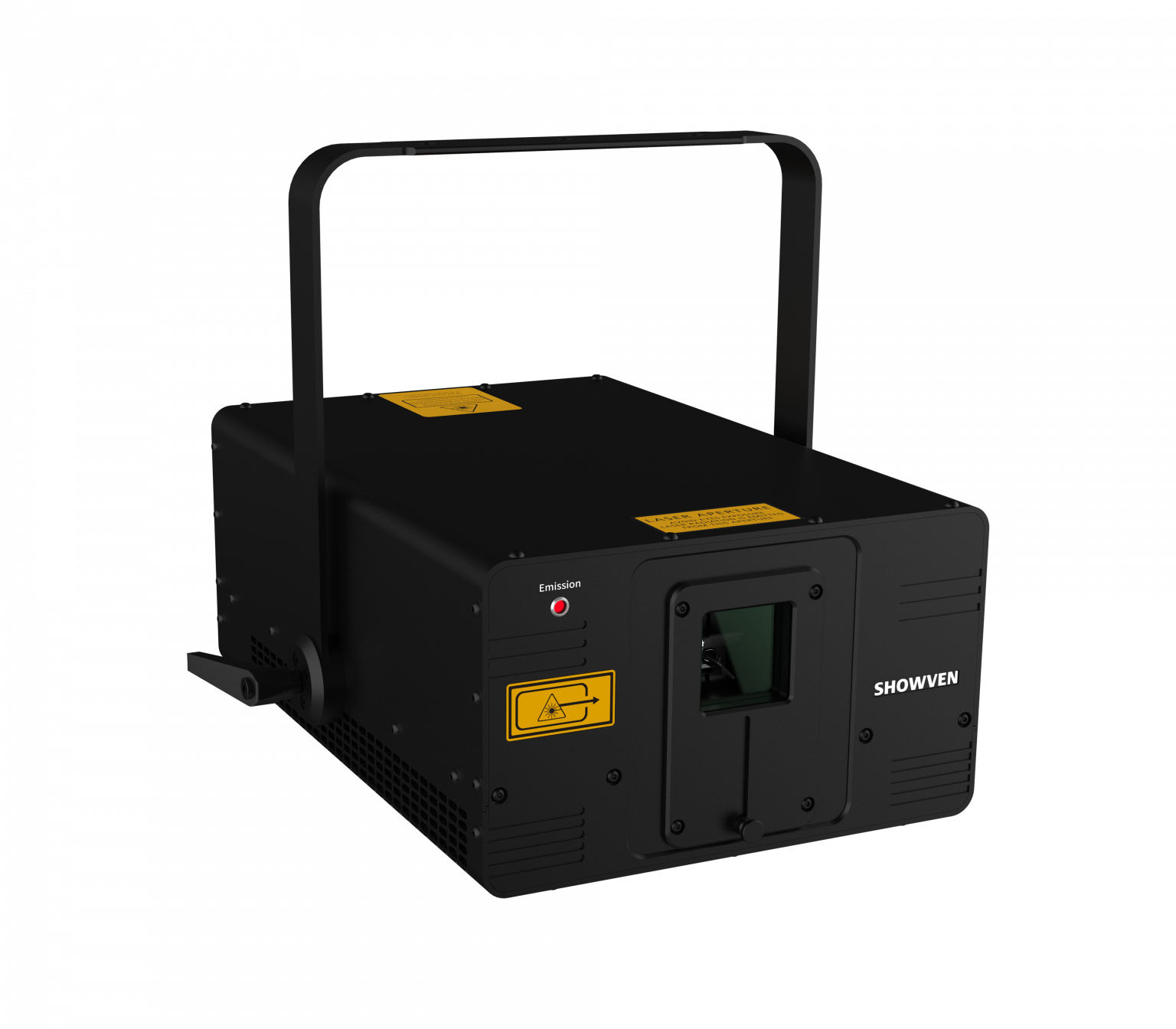
Hidden pain points go further. Ceiling bounce can trigger unintended reflections; mirrored decor multiplies risk. Operators skip warm-up, so scan tracking drifts as components heat. Fan modes get locked to “quiet,” and fixtures overheat mid-set. Even IP ratings are ignored because it’s indoors, yet dust loads in clubs choke vents fast. Edge computing nodes for timecode can stabilize sync, but only if the network is isolated from chatty Wi‑Fi. The flaw in the “traditional” solution is assuming a one-size rig fits any lounge. It doesn’t. Indoors is a precision game with smaller margins, and the system should be spec’d for those margins, not for a concert hall.
New Principles That Change the Game
What’s Next
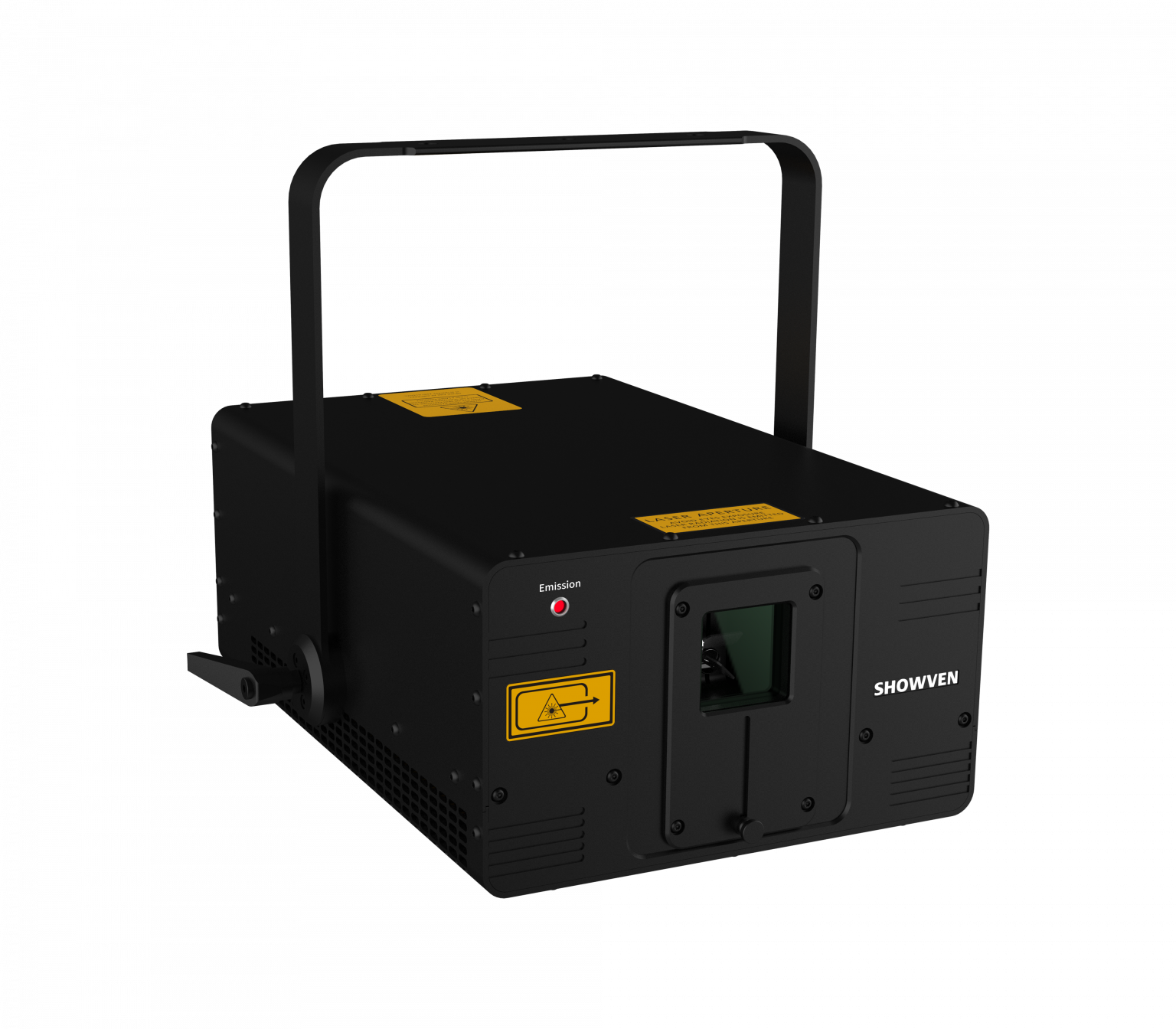
Looking forward, comparative gains come from smarter control and safer optics—not just more power. Modular drivers with current limiting make beams steady under dynamic scenes, and real-time thermal feedback prevents drift without choking output. When a laser light projector indoor system supports frame buffering at the fixture, you trim latency spikes from long DMX chains by moving timing closer to the beam. That’s a big deal indoors, where a few milliseconds can smear shapes. Meanwhile, selectable divergence and zone masking let you “shape the room,” protecting audience sightlines while keeping form tight. Add cue-level power capping and watchdog interlocks, and you get repeatable shows—night after night—without a stressed operator.
Against the old way—big rig, low finesse—the new approach wins on control flow, not sheer lumens. Swap long control runs for hybrid signal paths; use short DMX plus Ethernet to fixtures with onboard processors. Validate scan angles at the actual throw, not the spec sheet. And yes, verify acoustic profiles; a loud fan can kill a quiet moment. Here’s the practical takeaway: choose systems for how they handle small-room variables. My advisory hit list: 1) Optics and scan integrity at your real throw distance (beam divergence, Kpps, and masking). 2) Control resilience under load (protocol handling, buffering, and sync). 3) Thermal and power behavior over time (heat sinks, interlocks, and converters that don’t whine). Do that, and your show scales clean, no drama. For reliable benchmarks and deeper specs, see Showven Laser.