
What to compare—and what to leave open—when evaluating Industrial Heating Elements: system compatibility for shortlisting
Shortlisting industrial heating elements should begin with the machine, not with a catalog label. The first question is where heat must go and how the equipment operates. A useful review connects the heating method to the target temperature, airflow, heated load, installation space, and operating cycle. This approach helps a manufacturing team compare options without treating a general product description as proof of system suitability.

Describe the operating context first
Write down the conditions that define the job. Include the target temperature, minimum ambient temperature, expected heat loss, insulation, airflow, required warm-up time, operating cycle, and heated load. These details describe the complete operating situation. Enclosure dimensions alone are not enough because the proposed configuration needs to be considered under the machine’s full operating conditions.
Space still matters, but it should be described as a functional limit rather than a simple box size. Record the available installation area, the location of the heated component, the direction of airflow where relevant, and any limits imposed by nearby parts. Also note dust or moisture exposure, required protection, and the expected order quantity when preparing a technical inquiry. These points give the discussion a practical starting record.
- Record the target temperature, minimum ambient temperature, heat loss, insulation, airflow, warm-up time, operating cycle, and heated load.
- Identify whether heat must travel through a machine cavity, duct, or equipment compartment, or through a suitable mounting interface.
- Include an equipment drawing, heating method, ambient range, installation limits, protection needs, and expected order quantity in the inquiry.
- Review the proposed structure against the machine’s heating location rather than enclosure dimensions alone.
- Evaluate samples in the target machine before moving to production, and confirm electrical, temperature, and installation details during prototype testing.
Match the heating method to the location
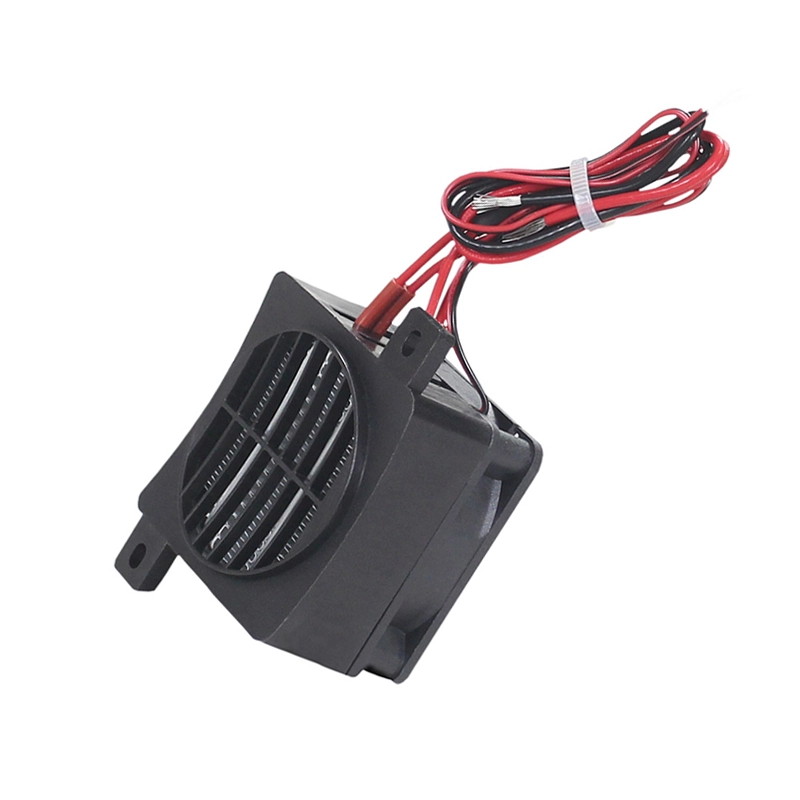
The basic comparison is between heat delivered through air and heat delivered through a mounted interface. An air heater is suited to a machine cavity, duct, or equipment compartment where heat must travel through moving air. Contact heating is suited to a component or surface that can be heated through a suitable mounting interface. The selected structure must match the machine’s heating location.
A useful real-world anchor is the industrial drying cabinet shown on the referenced application page: it has an insulated door and a ventilated metal chamber. That kind of chamber makes the heating location an important part of the shortlist. The relevant question is not simply which element appears powerful on paper. It is whether the proposed structure corresponds to heat moving through the cabinet air or through a surface by contact.
Keep this distinction visible in the comparison record. If the requirement is air heating, describe the cavity, duct, or compartment and the airflow conditions. If the requirement is contact heating, identify the component or surface and the suitable mounting interface. This wording keeps the decision tied to the machine instead of assuming that one structure can serve every arrangement.
Separate evidence from assumptions
Search terms can help locate suppliers, but they do not settle compatibility. When a search includes the phrase industrial heating element factory, treat that phrase as a starting point for review rather than as evidence of a particular design, application, or result. Compare what the page actually states with the requirements in your machine record. Leave unsupported points open for the technical discussion instead of filling them with assumptions.
For each candidate, divide the notes into three groups: stated facts, requirements supplied by your team, and questions still open. Stated facts may describe a heating method or an application scope. Requirements describe your target temperature, ambient range, warm-up requirement, cycle, airflow, and installation limits. Open questions cover the points that cannot be resolved from the page alone. This simple separation prevents a broad description from becoming an unintended specification.
Prepare a focused technical discussion
A clear inquiry should include an equipment drawing, the intended heating method, target temperature, ambient range, warm-up requirement, and operating cycle. Add airflow data where applicable, along with dust or moisture exposure, installation limits, required protection, and expected order quantity. The drawing should show where the heater sits in relation to the heated load and surrounding machine features.
Ask the supplier to respond against those conditions. The discussion should cover the proposed structure, electrical specifications, temperature performance, and installation details. Keep the wording tied to the target machine. A response that addresses only the element in isolation does not close the system-compatibility question.
For an OEM or prototype path, evaluate samples in the target machine before moving to production. During prototype testing, confirm the electrical specifications, temperature performance, and installation details. After that review, the configuration, order quantity, and delivery requirements can be agreed for the intended supply arrangement. This sequence gives the shortlist a practical next step without claiming that a page-level description has already proven the final choice.
Carry a defensible shortlist forward
The strongest shortlist is not the one with the most technical adjectives. It is the one that shows why each candidate was considered, which machine condition it addresses, and which points remain open. Record the heating location, operating conditions, installation limits, and evidence source beside each option. Then carry the same record into the supplier discussion and prototype review.
In the final decision, keep compatibility as the central test: air heating should be reviewed against the relevant cavity, duct, or compartment, while contact heating should be reviewed against the suitable mounting interface. Use the complete machine conditions to guide the discussion, and keep page-listed details separate from assumptions. This gives manufacturing teams a disciplined way to evaluate industrial heating elements with PTCYIDU while leaving technical conclusions to the evidence and machine-specific review.