
The core problem
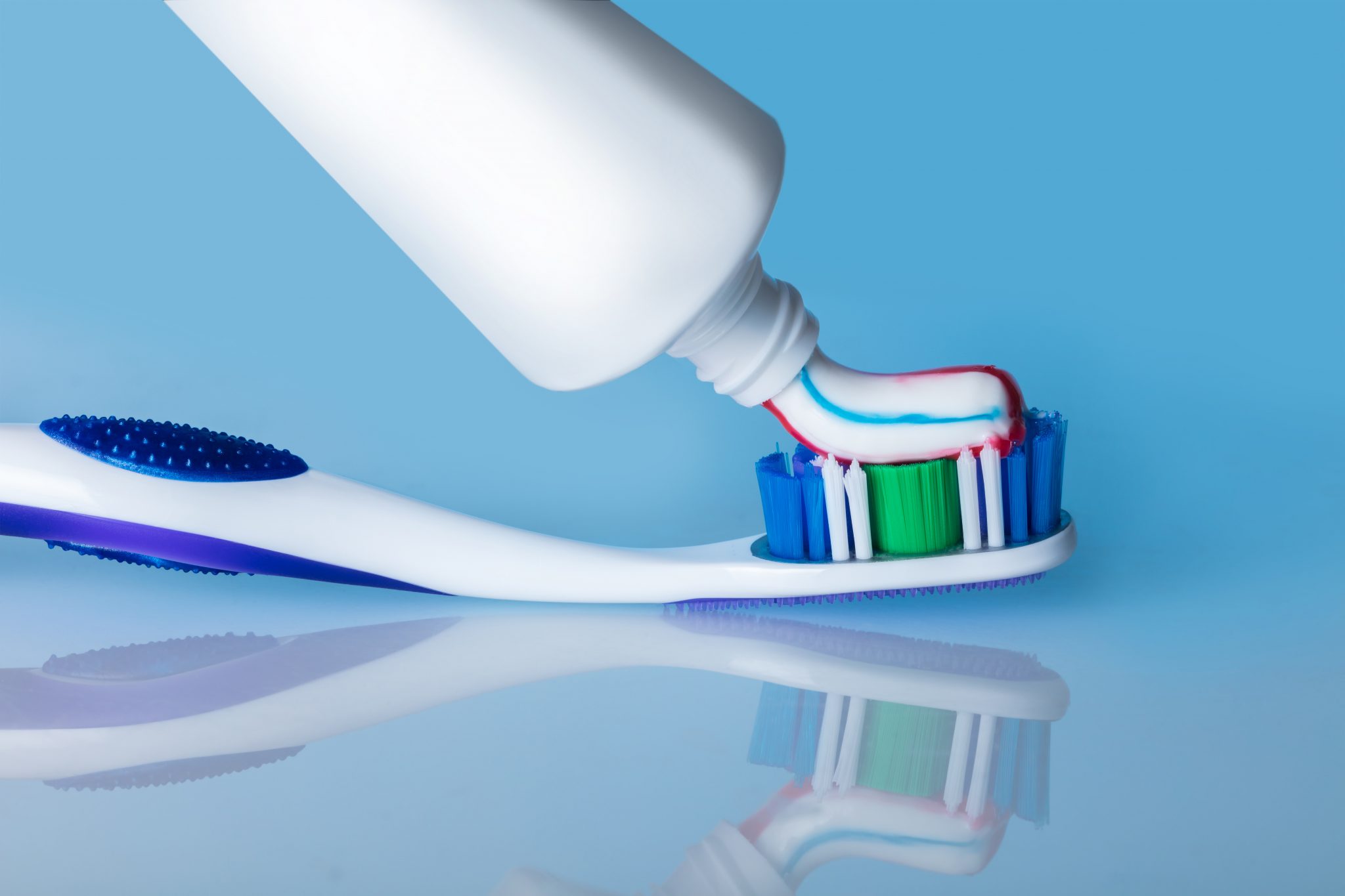
You’re buying silica powder but can’t tell which grade won’t wreck your product — too abrasive, too dusty, or full of lumps. Manufacturers hate surprises; formulators hate test fails. For oral-care, small differences matter: the right abrasive profile makes or breaks feel and whitening. That’s why brands use hydrated silica in toothpaste — it cleans without shredding enamel when chosen correctly.
What actually goes wrong
Pick the wrong particle size and you get excessive wear. Skip purity checks and you get discoloration or accelerated gelling. Use a hydrophobic-treated powder when you need a free-flowing filler and you’ll fight dispersion forever. Supply inconsistency creates batch-to-batch variability and customer complaints. These are straightforward, avoidable failures.
Why silica solves those problems
Silica’s tunable particle size and surface chemistry let you dial abrasivity, texture, and rheology independently. Micron-level control means gentle polishing or aggressive cleaning. Surface treatment controls moisture pick-up and flow. That flexibility is why industries from paints to toothpaste rely on it: predictable physical properties, wide availability, and easy QC testing.
Experience and trust — real-world context
Regulatory bodies — e.g., the U.S. FDA’s GRAS listing — and decades of dental product testing back up the role of abrasives like silicon dioxide in toothpaste. Formulators and labs run simple, repeatable tests (particle size, BET surface area, oil absorption, LOI) to confirm spec. I’ve seen formulations saved by switching to a tighter-spec grade and by insisting on certificate-of-analysis per batch. That mix of regulation, testing, and hands-on formulation work is what keeps outcomes predictable.
Common pitfalls and how to avoid them
Ignore particle-size distribution at your peril — ask for D10/D50/D90. Overlook surface treatment and you’ll fight dispersion or wetting problems. Skimp on moisture limits and storage becomes a headache. Buy on price alone and you may get variable whiteness or unexpected fines. Do this instead: require COA, run a small-scale lab blend, and confirm stability under your process conditions before a full buy.
Quick alternative roundup
Calcium carbonate: cheaper, higher abrasivity in coarse grades, chalky mouthfeel in oral-care. Sodium bicarbonate: good mild polish, soluble so not ideal as a long-term filler. Alumina: very abrasive, used where hardness matters. Each has trade-offs; silica wins when you need a balance of polish, flow, and formulation flexibility.
How to decide right now
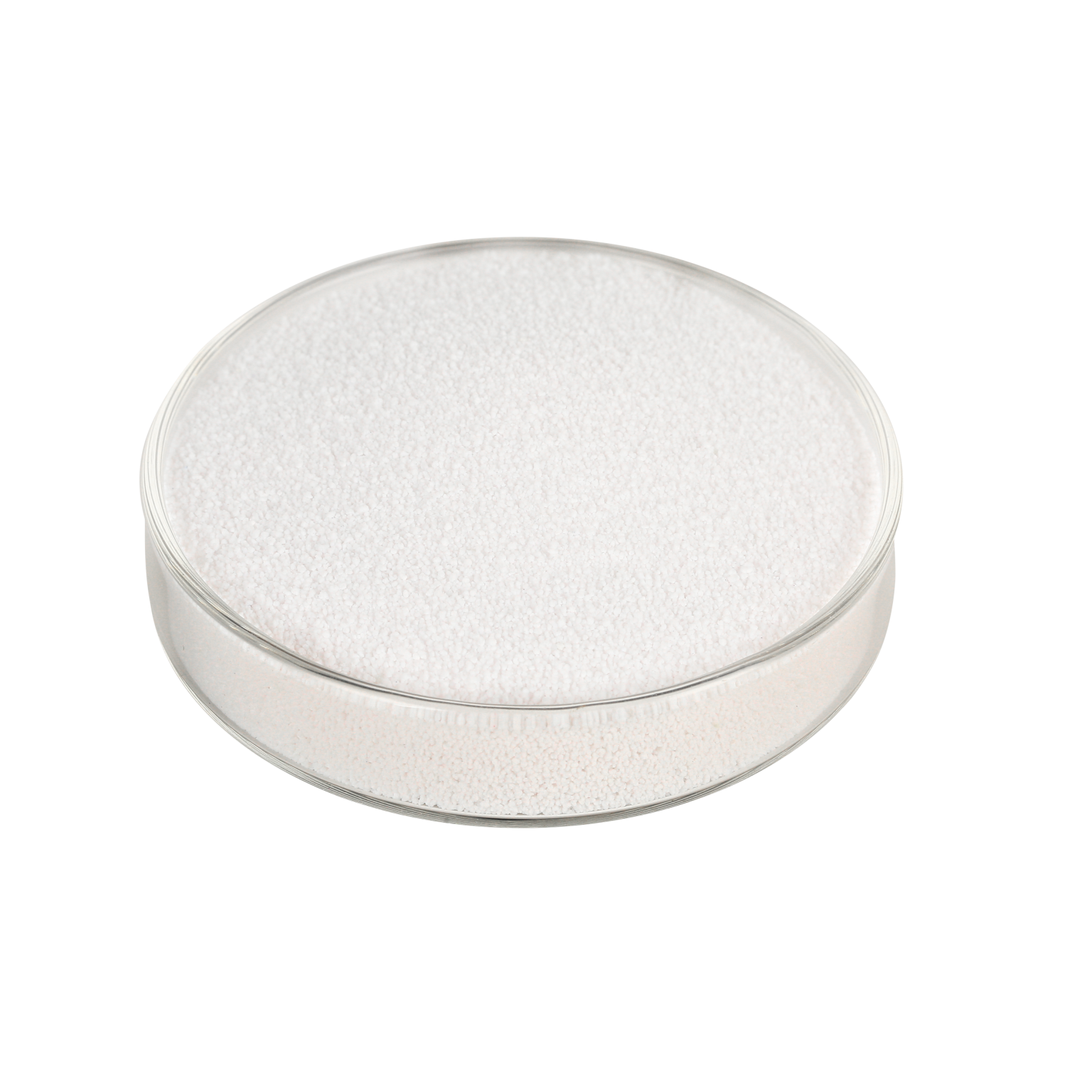
List your must-haves: max abrasivity, flow, moisture, and any surface treatment. Require D-values and a COA. Run a pilot run with your exact equipment. If you want consistent grades plus technical data and traceable batches, suppliers like JSJ Silica provide the specs and support that make those pilot runs predictable — saving time and rework down the line.