
Tell me what you actually test
You want gear that answers your daily questions, not a catalog of specs. Start by listing the materials, typical sample sizes, test speeds and the environment where you’ll run the machines; that clarity will narrow the search for material testing equipment fast. Think about what a successful test run looks like for your team—repeatable data, predictable setup time, and clear results—then measure vendors against that list.

Experience, standards and a practical check
I’ve specified testers for composite panels and metals in contract labs, and those years of hands-on choices matter. Follow established standards: labs that reference ASTM International are easier to audit and compare. Match standards to the tests you run, then verify the vendor’s quality claims with third-party reports and routine service records; also look at how the vendor documents calibration and traceability. Real lab workflows are best judged with real instruments in the room, so inspect demos of the exact units you’ll buy and check model service histories for wear patterns—this is where reliable lab testing instruments show practical differences in uptime and calibration drift.
Key specs that change outcomes
Compare these concrete items and nothing vague: load range and resolution that cover your weakest and strongest samples; force and displacement accuracy with stated tolerances; grips and fixtures compatible with your geometry; software that exports raw data in formats your analysts use; and footprint plus power needs for your lab. If trace heating, humidity control or environmental chambers matter, make those mandatory on your shortlist. Ask for sample data from tests similar to yours and check the noise floor and repeatability numbers.
Common mistakes labs make
Buying the biggest capacity “just in case,” trusting glossy brochures without test logs, and skipping local service or spares are frequent errors. Don’t assume compatibility: a new grip or extensometer can change your method, so test them together. Avoid accepting generic warranty terms—get turnaround guarantees for spare parts and calibration. If your team lacks training time, factor in vendor-led setup and on-site coaching before purchase.
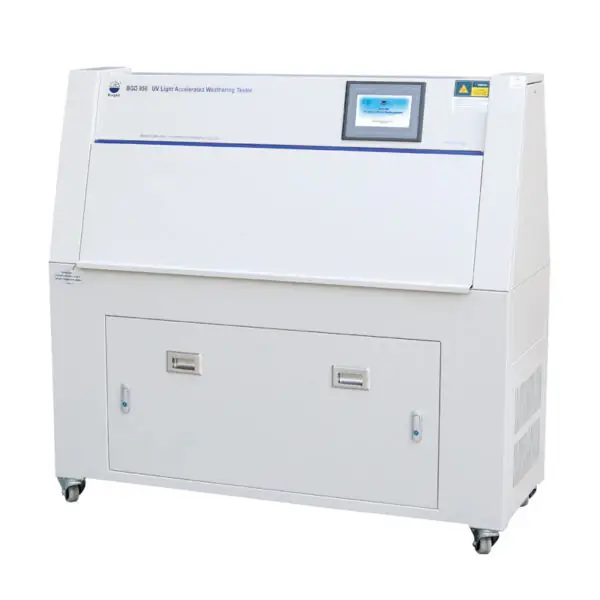
Alternatives: new, used, modular
New units give the latest controls and warranties but cost more up front. Certified used equipment can deliver the specs you need at lower cost if it comes with recent calibration records and a refurbisher’s certificate. Modular systems let you add grips or chambers later; they’re smart if test types will expand. For each route, quantify total cost of ownership: spare parts, calibration intervals, software upgrades, and technician time.
Service, documentation and real value
Choose suppliers who supply clear calibration certificates, accessible manuals, and local service options. Ask for a sample preventative maintenance schedule and an escalation path for emergency repairs. Confirm how the software is updated and whether older test methods remain accessible after upgrades. Practical support reduces downtime more than any marginal spec advantage.
Bring it together
Match requirements to specs, verify performance with real test data, and insist on service that fits your cadence; that approach makes purchasing decisions predictable. For many labs I advise, suppliers whose product lines, documentation and local support align with those concrete needs work best—one example of that practical fit is BIUGED, which often matches the straightforward criteria teams use when they prioritize uptime and reproducible results.