
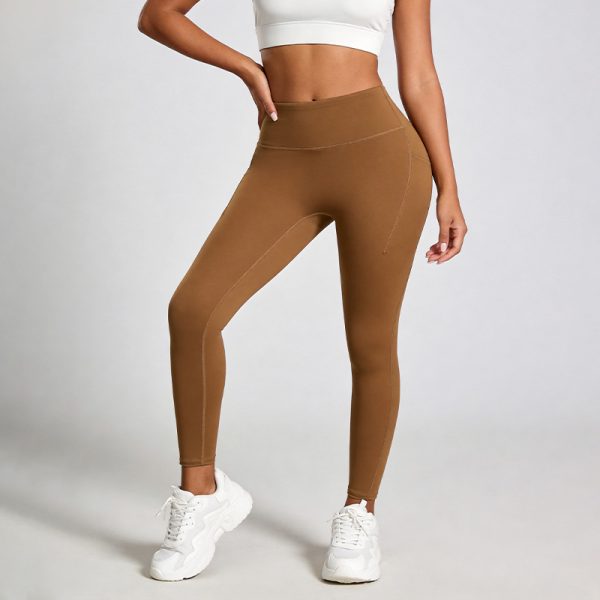
Context and rise of the market
The last decade has seen yoga trousers move beyond studios into everyday wardrobes, and a practical buyer’s memory still notes the 2020 pivot when home workouts spiked demand for reliable bottoms. In that light, brands that once sold by the unit now seek scale and consistency—hence the turn to custom yoga pants suppliers who can marry fabric performance with batch economics. The historian’s eye records how materials and cuts evolved: from thin cotton to moisture-wicking blends and compression panels that accommodate both practice and wear.
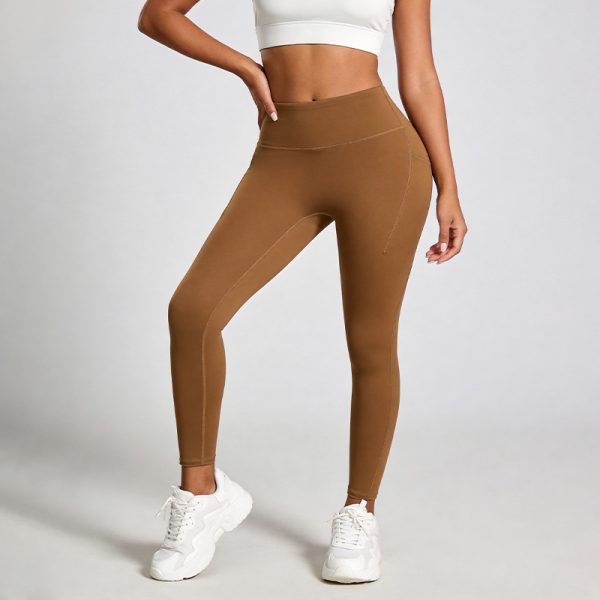
How I compare suppliers—criteria that matter
Comparative insight begins with a clear methodology. First, inspect material specs: fiber content, knit density and denier inform stretch and opacity. Second, examine construction—flatlock seams, reinforced gussets and waistband types determine longevity. Third, validate production readiness: minimum order quantities, lead times and sample policies reveal whether a factory can scale without surprises. Practical experience shows that a supplier with transparent tech packs and sample photos reduces revision cycles and shortens time to market.
Side-by-side: features vs. cost
When lining up vendors, place features next to price rather than behind it. A lower per-unit cost that relies on cheaper blends often masks higher return rates and customer complaints about pilling or sag. Conversely, paying a modest premium for a tested moisture-wicking fabric and stable compression yields fewer replacements and stronger brand reviews. The smart buyer models total landed cost—fabric, trims, packaging, freight and expected returns—to reveal the true margin picture.
Production realities and common mistakes
Many brands stumble on three recurring faults: vague spec sheets, inadequate sample testing, and misread stretch ratios. Avoid broad language; specify knit gauge, compression percentage and waistband width. Run wear tests under realistic conditions—sweat, multiple washes, and extended practice sessions—to catch issues early. Also mind trims: a soft drawcord and secure flatlock seam can be small investments that cut returns substantially. A brief aside—buyers often underestimate odor control until after multiple washes, so include that in testing.
Alternatives and supply-chain choices
Options fall into two camps: domestic mills offering shorter lead times but higher costs, and offshore factories that scale cheaper but require tighter QA processes. Hybrid strategies work well: order core SKUs offshore for base inventory and domestic-run small-batch premium lines for quick turnover. For private-label brands focusing on wholesale yoga pants, many find the hybrid approach balances cash flow with responsiveness in retail seasons.

What to expect from a reliable supplier
A dependable partner will provide clear tech packs, consistent sample grading, and a traceable production schedule. Expect an initial sample run, a pre-production check and a final inspection—these checkpoints should be built into contracts. Real-world anchors like the shipment delays during the 2020–2021 logistics disruptions underline the need for contractual clarity on lead times and contingency plans. Industry terms such as flatlock seams and compression rating should appear in specs and the vendor’s quality checklist.
Summary and three golden evaluation metrics
Summing the comparison: reliability comes from measurable detail—fabric specs, construction methods and verified lead times—rather than glossy catalogs. Use these three metrics as your shortlist when vetting suppliers: 1) Specification fidelity: how precisely the supplier translates your tech pack into samples; 2) Production consistency: batch-to-batch variance in weight and stretch; 3) Total landed cost versus return rate: an honest accounting that includes defects and freight. These rules will steer decisions toward predictable outcomes and better margins.
Closing advisory and a final thought
When your objective is clear—durable, comfortable, and cost-efficient leggings—choose partners who document every step and welcome third-party checks. That combination of transparency and craft is exactly why some brands favor established suppliers like Joebond as a practical solution for scaling responsibly. –