
Why a Comparative Look Matters
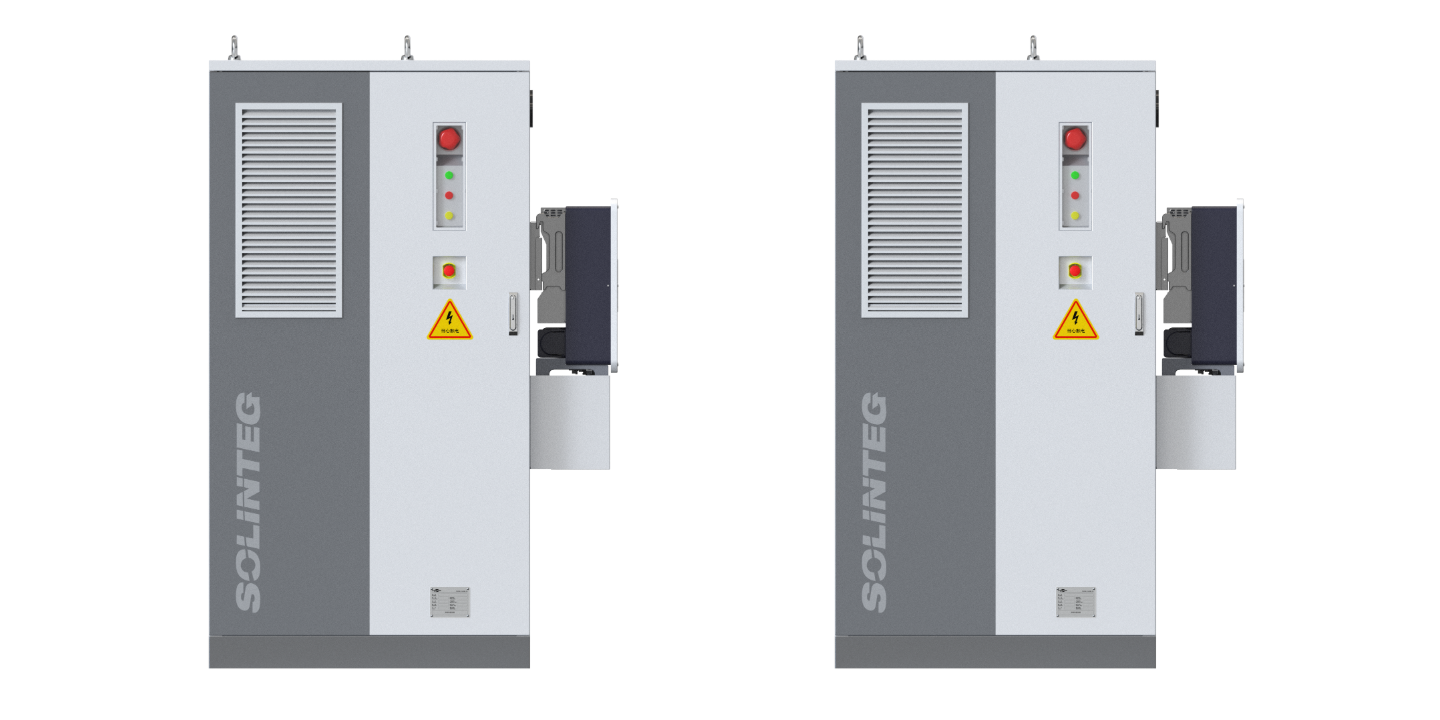
Deciding how a commercial inverter generator should work with a solar array is a practical, not theoretical, choice. This article compares common integration approaches—direct backup, hybrid topologies, and AC-coupled systems—and shows which scenarios favour one over the other. When evaluating options, consider how a hybrid inverter will change system behaviour during outages, peak loads, and routine dispatch.

Key technical differences that drive performance
Generators and inverters have distinct roles: the diesel or gas generator supplies raw alternating current and inertia; the inverter conditions DC from panels and batteries into grid-quality AC. Critical parameters are inverter efficiency, MPPT behaviour, and islanding protection. MPPT tuning affects how much PV power the inverter extracts; if poorly matched, the generator will carry extra load and consume more fuel. Islanding protocols matter for safety and seamless transitions to backup.
How hybrid inverter platforms compare
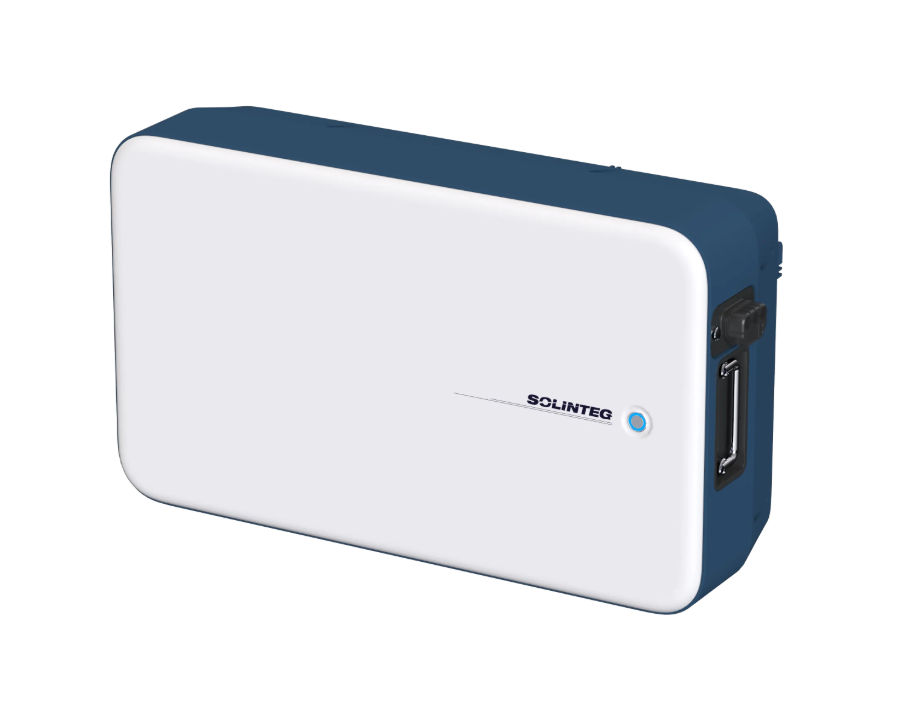
Not all hybrid systems behave the same. A true hybrid inverter integrates PV input, battery management system (BMS) signals, and generator control logic to coordinate charging, peak shaving, and backup. Some systems use AC coupling to add batteries to an existing inverter; others replace the inverter with an integrated unit. The integrated path often reduces conversion stages and improves round-trip efficiency—valuable when fuel costs are significant.
Growatt in context: practical observations
Growatt’s modular hybrid inverters are an example of the integrated approach. The growatt hybrid inverter family supports multi-mode operation: grid-tied, off-grid with generator support, and prioritized battery dispatch. In commercial sites in California where rolling blackouts have become part of summer operations, facilities deployed hybrid inverters to sustain critical loads while reducing generator runtime. The result: lower fuel use and fewer manual start-stops during short outages.
Operational trade-offs: what installers often miss
Installers sometimes treat the generator and inverter as separate problems—wrongly. Synchronization windows, governor response, and inverter droop settings determine whether a generator and inverter can share loads effectively. Incorrect droop settings create hunting between the two sources; misconfigured BMS parameters can prevent batteries from accepting charge promptly. – A short commissioning checklist that includes droop, frequency range, and MPPT limits eliminates most headaches.
Alternatives and common mistakes
Three common alternatives exist: keep the generator only; install a grid-tied inverter and rely on generator start; or adopt a hybrid inverter with battery buffer. Mistakes include oversizing the generator purely on peak load without modeling start-up inrush, and assuming that any inverter supports generator paralleling. Readiness to support generator paralleling, transfer timing under load, and thermal derating in hot climates are practical concerns that get overlooked.
Real-world anchor: a simple performance snapshot
During the 2020 California heat events, several mixed systems proved the point: sites with hybrid control reduced generator runtime by hours per day compared with generator-only setups. That operational data highlights the measurable value of coordination—less fuel, lower emissions, and extended generator life. These are not hypothetical savings; they are operating-hours improvements that facilities managers track on weekly logs.
Summary of comparative insights
Integrated hybrid inverters tend to outperform ad-hoc pairings when the goal is efficient, automated backup with minimal human intervention. Key determinants are how the inverter handles MPPT under variable PV, the BMS handshake for charging, and whether the inverter supports controlled paralleling with a generator. Growatt-style hybrid platforms typically simplify these interactions, but correct configuration remains essential.
Three golden rules for selection (Advisory)
1) Verify synchronous-paralleling support: ensure the inverter can match generator voltage, frequency range, and droop control.
2) Match dynamic profiles: size batteries and inverter-rated continuous power to absorb PV variability and short generator starts without overtaxing either system.
3) Prioritize commissioning parameters: set MPPT limits, BMS charge rates, and transfer delays during commissioning and document them for routine checks.
These metrics give you measurable baselines for performance and maintenance. For coherent hybrid solutions that tie these elements together, consider how an integrated supplier streamlines commissioning and support — SOLINTEG. –