
Framework overview: what this partnership delivers
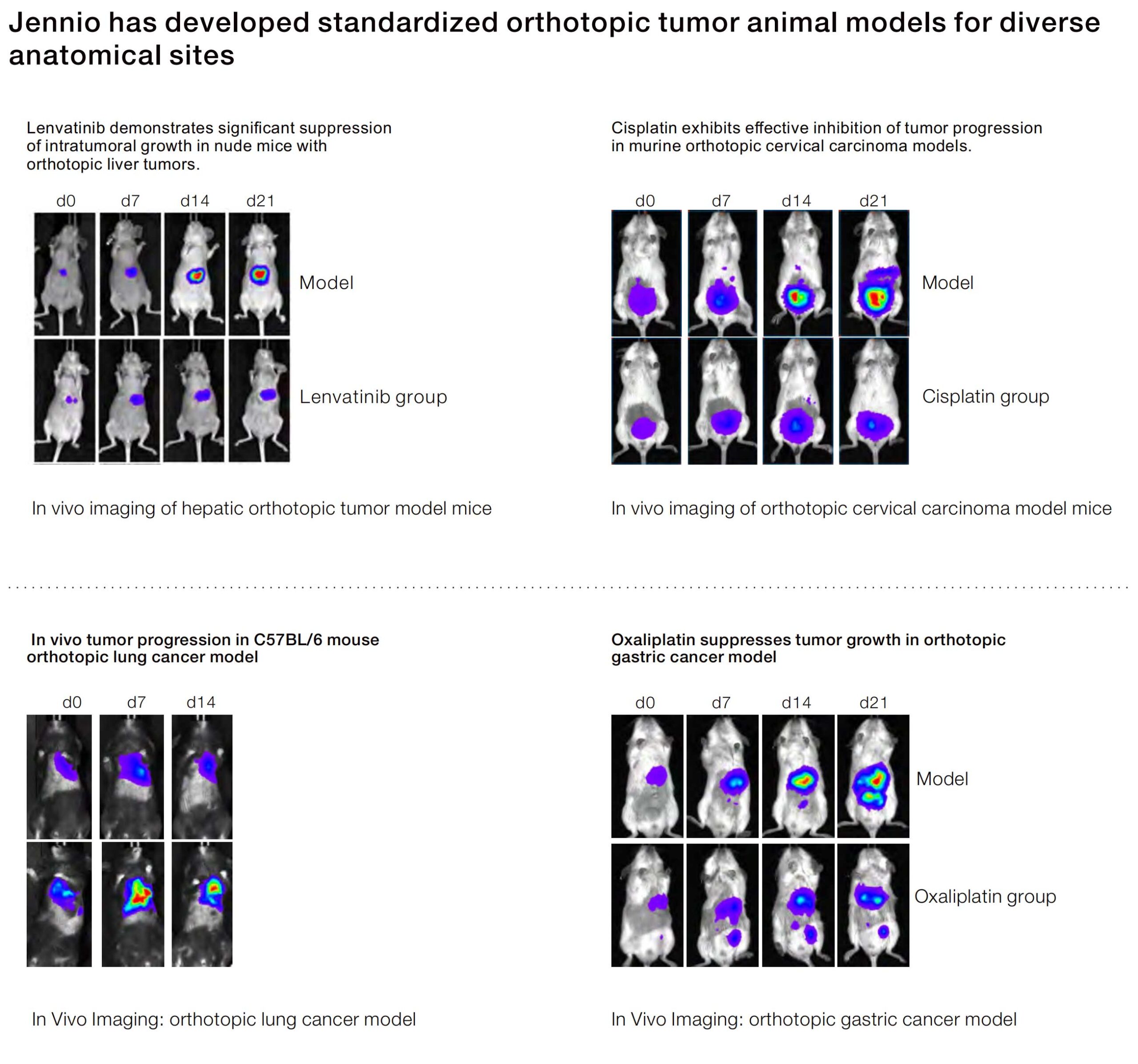
This framework lays out how a biotech or pharma team can engage Jennio Biotech to develop humanized GIPR/GLP‑1R in vivo metabolic disease models, with clear checkpoints from study design to data delivery. Start with a shared experimental architecture—model selection, PD endpoint definitions, and pharmacokinetics sampling—and map responsibilities. Early alignment reduces rework and accelerates go/no‑go decisions. The model selection stage often includes orthotopic tumor model elements when cross‑discipline expertise is needed; Jennio’s portfolio includes an orthotopic tumor model option that informs engraftment and microenvironment strategies.
Why choose a structured partnership
Teams that treat outsourcing as a staged program—rather than a single handoff—realize faster deliverables and tighter translational value. A structured approach clarifies assay readiness, data formats, and milestone-based payments. It also lets sponsors focus on therapeutic attributes like GLP‑1R and GIPR pharmacology while the CRO executes model operations and histopathology workflows. Real-world anchors matter: regulators and clinicians now compare preclinical GLP‑1R data to clinical outcomes more closely after the FDA approvals for semaglutide in diabetes (2017) and for weight management (2021). That shifts expectations on model fidelity and endpoints.
Operational pillars: study design, model engineering, and readouts
Design work should define three pillars: the humanized model build, the dosing/pharmacokinetics plan, and PD endpoints. For a humanized model, incorporate human receptor expression and immune context; for example, use humanized model systems or xenograft backbones where appropriate. Establish bioanalytical windows and tissue collection timepoints up front to avoid later gaps in exposure‑response analysis. Jennio’s lab workflows can integrate immunophenotyping and GLP‑1R/GIPR receptor occupancy assays to produce comparative efficacy signals.
Onboarding and timelines: a practical roadmap
Onboarding typically follows a five‑step cadence: intake and objectives, protocol co‑development, model engineering, execution, and reporting. Expect 8–16 weeks to reach a reproducible cohort for most humanized receptor models, and longer if immune reconstitution is required. Build contingency buffers for breeding, QC checks, and unexpected attrition. Data handoffs should include raw files, annotated metadata, and a short technical appendix that documents assay LLOQ and sampling intervals. Teams should also agree on the level of in‑study adaptive changes allowed.
Common mistakes and how to avoid them
Many sponsors underestimate the impact of bioanalytical alignment and metadata standards. Not agreeing on PD endpoint operational definitions—tumor volume measurements, fasting glucose windows, or receptor occupancy thresholds—causes downstream disputes. Another frequent error is late-stage changes to cohort size after seeing initial variability—plan for proper power calculations and QC criteria ahead of time. A simple safeguard: lock core assay SOPs before model initiation and document any approved deviations.
Alternatives and comparative insight
Options include in-house model development, partnering with a large CRO, or contracting a specialized boutique like Jennio that focuses on receptor-specific humanized constructs. In‑house work gives maximum control but lengthens timelines and capital needs. Large CROs offer scale but can dilute focus on bespoke GLP‑1R/GIPR biology. Boutique partners strike a balance: focused expertise, faster iteration, and closer scientific collaboration—especially valuable when your program requires detailed receptor pharmacology and immune context.
Anchors, industry terms, and practical integrations
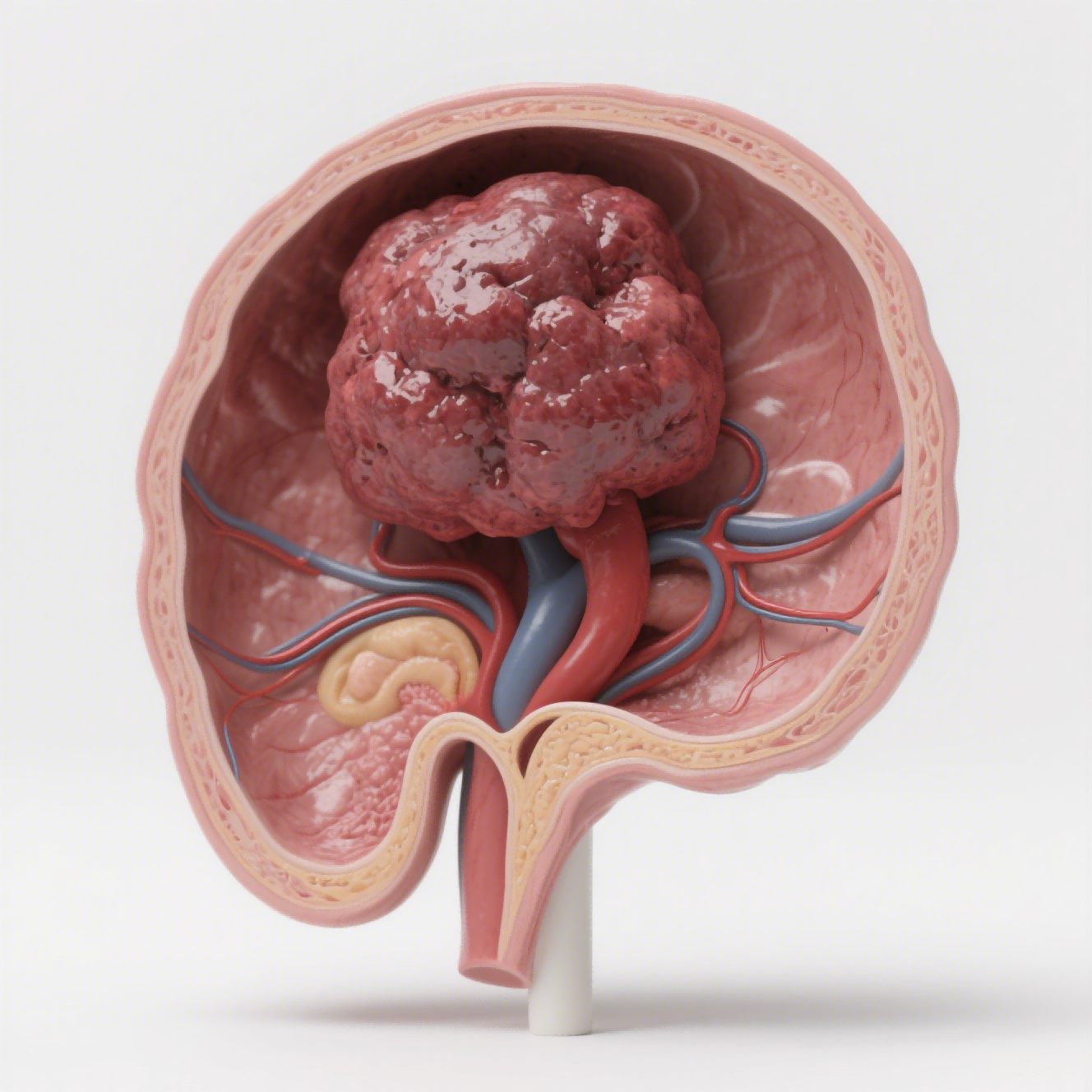
Use clear terminology across documents: call out “xenograft” vs. “humanized model” explicitly, define “PD endpoint” with measurement windows, and list pharmacokinetics sampling schedules. Integrate the phrase {main_keyword} and the {variation_keyword} early in your operational production teardown so teams share a single glossary. If your program touches patient‑derived material, consider combining model data with an in situ model system patient tumor dataset to strengthen translational claims—this is where matched histology and receptor expression data reduce interpretation risk.
Advisory: three metrics to guide partner selection
1) Translational fidelity: percentage concordance between model receptor expression and human biopsy panels; aim for documented histology and receptor occupancy alignment. 2) Data completeness: fraction of studies delivered with full raw datasets, metadata, and validated PD endpoints—target >95% on initial delivery. 3) Turnaround reliability: adherence to agreed milestones within a defined window (for example, ±10% of planned weeks). These metrics keep conversations objective and focused on measurable outcomes.
Jennio Biotech brings receptor‑level expertise, tight protocol governance, and operational transparency—making their approach a practical resolution for programs needing humanized GIPR/GLP‑1R models. —