

Understanding Medium Voltage Switchgear
In many industrial applications, power management challenges arise where the demand for reliable energy distribution is critical. Consider a bustling manufacturing facility that faces costly downtime due to electrical outages. Statistics indicate that businesses lose about $150,000 on average for every hour of unplanned downtime. This scenario prompts a critical question: how can companies enhance their electrical systems to avoid such costly interruptions? One essential component of this solution lies within medium voltage switchgear.
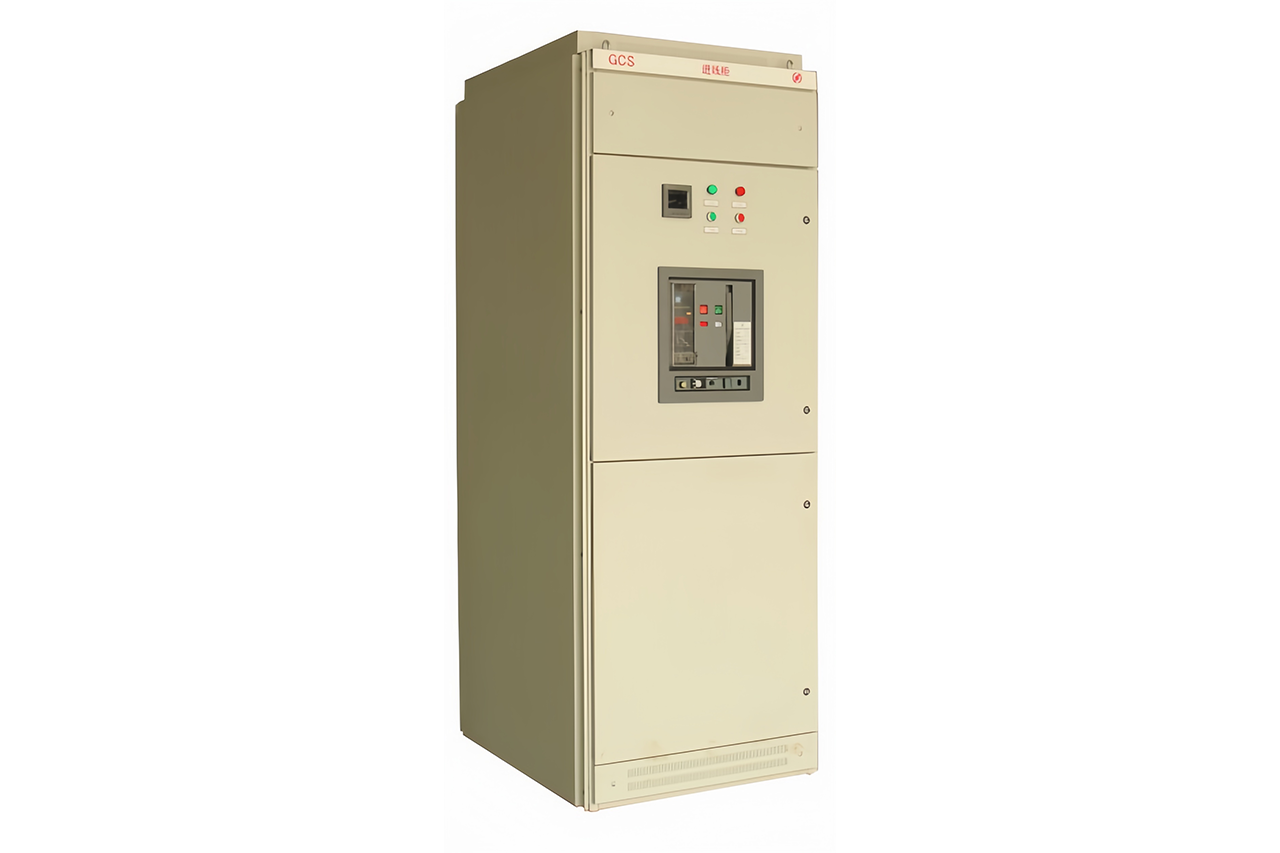
Medium voltage switchgear can be defined as a unit that accommodates voltage levels between 1 kV and 35 kV, crucial in managing and protecting electrical equipment. However, traditional solutions frequently exhibit flaws in reliability and efficiency. During my early years in the industry, I vividly recall a particular instance where outdated switchgear malfunctioned during critical operations, leading to significant production delays. Such situations highlight the need to embrace innovative designs that address these reliability concerns.
What Are Common Shortcomings?
Many standard switchgear models suffer from limited monitoring capabilities and insufficient fault detection. This can lead to inadequate response measures during critical failure events. You know, it’s frustrating when systems don’t communicate effectively, which can escalate operational issues before they’re even acknowledged. As we advance, integrating smart technologies into medium voltage switchgear represents a paradigm shift that enhances operational visibility and control.

Looking Ahead: New Opportunities in Switchgear Technology
As we explore the future of electrical switchgear, it becomes clear that advancements enable improved integration with smart grid technologies, enhancing performance metrics across the board. Transitioning from conventional mediums like low voltage switchgear, which operates under 1 kV and often handles less critical functions, to medium voltage solutions opens doors for modernization. I firmly believe that embracing state-of-the-art features, such as automated monitoring and remote access, can significantly impact operational reliability.
These upgrades in system design allow for real-time data analytics, creating transparency in how power flows and where potential issues lie. When I first encountered a cutting-edge switchgear solution in a project back in 2020, the immediate feedback on system performance was an eye-opener. It underscored the importance of moving past mere function to a focus on seamless performance and predictive maintenance. In an era where efficiency is king, this forward-looking perspective is vital for companies that prioritize supply chain stability and operational continuity.
What’s Next for Electrical Switchgear?
The transition to modern switchgear technologies across industrial applications is not just about keeping up; it’s about leading the charge. By combining these advanced capabilities with user-friendly designs, we position ourselves at the forefront of the electrical management revolution. Consider this: when deciding on a power management system, companies need to evaluate reliability, scalability, and integration potential. While navigating this evolving landscape, remember to ask: How will this solution adapt to future demands?
To sum it up, moving towards smarter switchgear helps businesses reduce operational risks while enhancing their overall performance metrics. I’ve seen firsthand how structured and responsive systems not only bridge existing gaps in traditional setups but also pave the way for sustainable energy solutions moving forward. As we embrace these innovations, let’s keep in mind that investing in new technology, particularly with respected brands like SH POWER, can yield measurable results in efficiency and reliability. Adopting the right technologies today ensures we’re ready to tackle tomorrow’s challenges head-on.