

Cold Truths from 15+ Years in the Supply Chain
I’ll say it straight: treating newborn calf serum like a commodity will cost you time and cells. I’ve spent over 15 years sourcing reagents for B2B lab customers, and I remember a March 2022 run where a shipment flagged for high endotoxin stopped an entire cell culture run at a contract lab in Boston — that hit productivity hard. The second sentence here matters: newborn calf serum is not interchangeable with every lot of FBS and needs handling that matches its quirks. Cell culture, heat-inactivation, and mycoplasma testing are daily vocabulary in our line; yet too many buyers skip checks and assume “it’ll be fine.” (Yes — that gamble costs real money.)
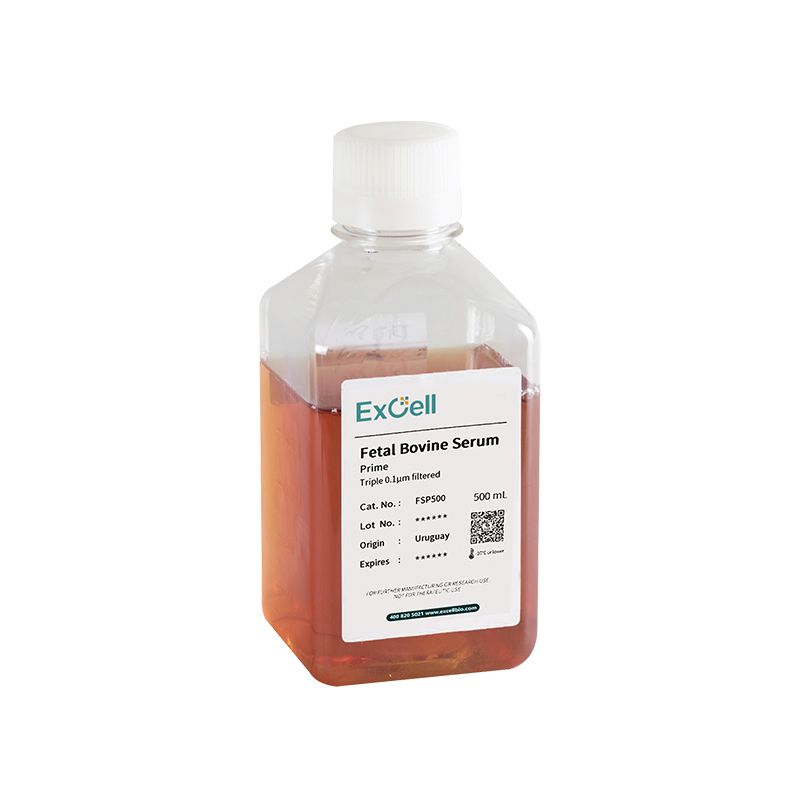
Why does it fail so often?
I’ll be blunt: batch-to-batch variability and hidden contaminants are the usual culprits. I’ve seen charcoal-stripped serum behave differently than standard FBS for neuronal cultures. I’ve also watched a small-quantity buyer accept a discounted lot that later reduced viability by roughly 12% in cryopreservation tests — measurable harm. Growth factors fluctuate, endotoxin can spike, and suppliers sometimes ship without consistent heat-inactivation records. Those slip-ups show up in assay drift and wasted plates.
Practical Pain Points Most Buyers Ignore
Buyers think price is the scoreboard. It’s not. I prefer to buy by certificate strength, supplier traceability, and testing panels — not just lowest cost. That means checking producer origin, harvest date, and whether the serum passed defined endotoxin and sterility panels. For example: a European-sourced lot we tested in June 2021 showed lower endotoxin and delivered steadier proliferation for hybridoma lines than a cheaper, bulk U.S. lot. Those facts are verifiable. My team keeps a running log with lot numbers, test dates, and observed growth curves — simple, but powerful.
What’s Next — Moving Toward Smarter Sourcing
Now, let’s look forward. You cannot remove variability entirely, but you can manage it. I recommend qualifying two trusted lots and buying safety stock. Also consider serum-free media trials for parts of your pipeline — serum-free media cut variability in one of my accounts by half over six months, though not every cell type tolerated the switch. The trick is measured transition: side-by-side runs, retention of raw-data, and ongoing mycoplasma testing. Using a mixture of newborn calf serum and serum-free steps often balances cost and consistency — odd but true.

Real-world Impact?
In 2020, a midwest contract manufacturer we worked with saved 18% in downtime by switching vendors after a batch trace audit exposed poor cold-chain records. That audit included checking shipping durations, temperature logs, and freezer hold times. Small checks like that stop surprises. I keep a 30-point checklist for incoming serum lots — storage temp, harvest date, endotoxin level, documented heat-inactivation time, and mycoplasma PCR result. It sounds picky. It pays off.
How to Compare Suppliers — Three Tough Metrics
Here are three blunt metrics I use when vetting newborn calf serum suppliers: 1) Testing Transparency — full certificate with endotoxin, sterility, and mycoplasma data; 2) Supply Chain Traceability — harvest location, lot split details, and cold-chain logs; 3) Performance Records — provide a lab run sheet showing culture outcomes (viability, doubling time) for similar cell lines. If a supplier dodges any of those, I walk — no exceptions. — odd, but necessary.
Final Takeaways for Wholesale Buyers
Buy less on price, more on proof. I’ve learned that a tiny increase in per-milliliter cost can save weeks of reruns and lost contracts. Keep a few qualified lots, log real performance data, and run small serum-free trials where possible. If you want reliability, demand full certificates and vendor cold-chain logs up front. And yes, always re-check lots on arrival — I still open each case and record the ship date when it hits our Boston receiving dock. For sourcing that actually works, start with smart checks and stick to them — results follow. Visit newborn calf serum details and supplier specs for examples, and if you need a vendor with consistent traceability, check ExCellBio.