
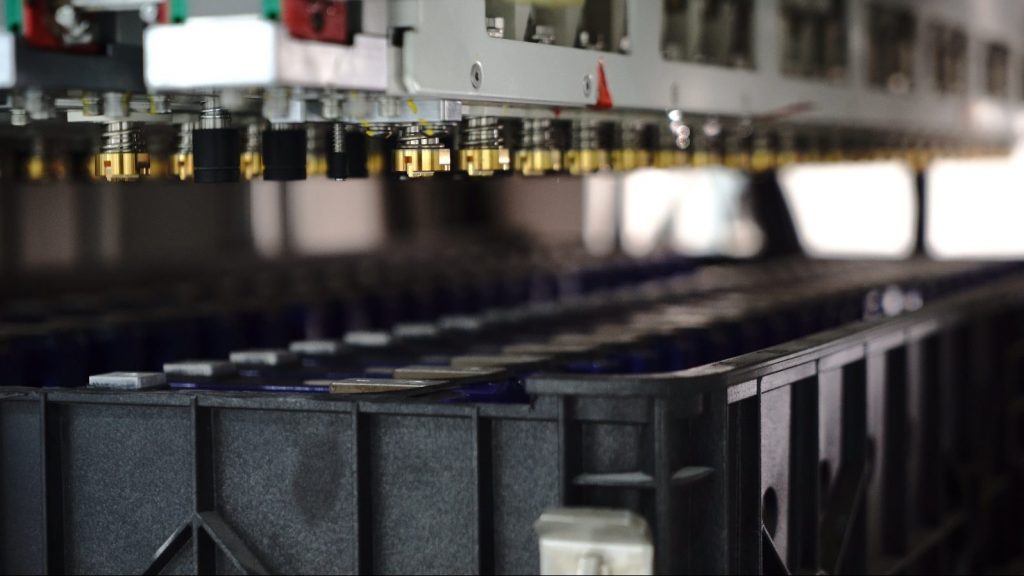
Why Procurement Keeps Missing the Real Cost Curve
Margins are made, not found. In many bids, the pouch cell now sets the swing factor on cost and risk. Building on Part 1’s format overview, let’s probe where the numbers slip (and why they do). Teams increasingly benchmark lifepo4 pouch cells against legacy module stacks, yet the hidden drivers sit deeper than price per kWh. Think ESR at the tab, C-rate limits under heat, and the load profile your power converters actually see. The result: module overhead, interconnect resistance, and excess enclosure mass inflate system cost. Meanwhile, BMS algorithms work harder to tame uneven thermal paths—funny how that works, right?

Here’s the deeper flaw in the traditional approach. You optimize cell price, then try to fix the rest with pack integration. That invites complexity. It adds busbars, fasteners, and sealants that tax energy density and uptime. A slim pouch stack with proper laminate foil and predictable swelling can simplify the path. Look, it’s simpler than you think. With lifepo4 chemistry, predictable voltage curves help forecasting, but only if the base cell format trims losses before they multiply at the system level. The question for finance and engineering is simple: are you paying for cells, or for the fixes around them? If it’s the latter, you’re leaking ROI. Let’s move to what changes when the architecture shifts.
Comparative Insight: New Principles Shaping the Next Cycle
What’s Next
The next wave hinges on manufacturing physics. In stacked lifepo4 pouch cells, shorter ion paths and higher tab area reduce local heating. Lower ESR at the collector-tab interface cuts I²R loss, so thermal runaway risk drops while usable C-rate widens. Formation and aging tuned to LiFePO4’s stable plateau can lock in a uniform SEI, which holds performance under partial state of charge. That means less correction from BMS algorithms and cleaner signals to power converters during transients. Compare this to wound formats: more internal turns, more gradients, more fixes later. Pouch wins when you need even heat spread and tight tolerance—in a pack or near edge computing nodes where space is premium.
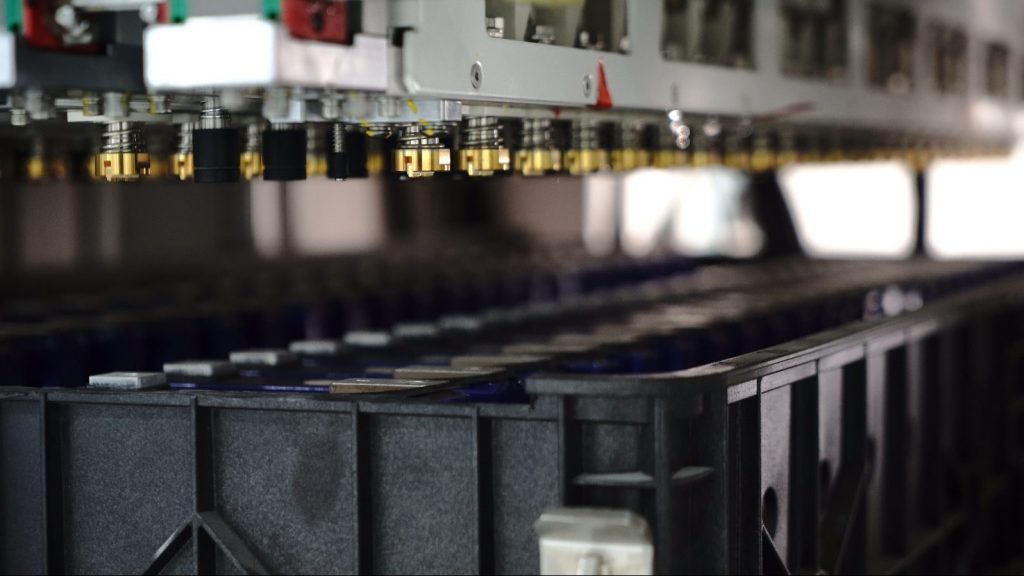
Forward-looking integration flips the BOM logic. Start cell-first, then scale structures that preserve cell intent: wide tabs, direct cooling planes, minimal interconnects, and enclosure volume that respects swelling. You get higher Wh/L after pack integration, not just in the spec sheet. To choose well, track three metrics across pilots and production: 1) cycle life at the target C-rate under your real duty cycle; 2) system-level energy density after all hardware is in; 3) thermal containment—time-to-vent or peak delta-T during abuse tests. These signal whether the architecture carries its own weight—or pushes costs to the edges (and yes, it scales). In short, modern pouch design aligns chemistry, mechanics, and controls into one cost curve. That’s the comparative edge. For deeper process insights and tooling alignment, see LEAD.