
Introduction: A Hallway That Never Sleeps
One evening, the corridor in a small Nairobi clinic stayed bright long after the last patient left. Wall lamp manufacturers would call that a system gap—not a product fault. In many buildings, lighting still runs on fixed schedules or blunt sensors, and power use stacks up (quietly). Some facilities report a third of their energy bill linked to lighting alone, especially in shared spaces. So, what if the issue is not the lamp, but the way we manage light over time and context? We ask: where do modern wall lamps excel, and where do they still miss the mark? Let us unpack the real friction points, step by step—tusonge mbele.
Deeper Layers: Why Traditional Answers Fall Short with Acrylic Builds
Why do common fixes miss the mark?
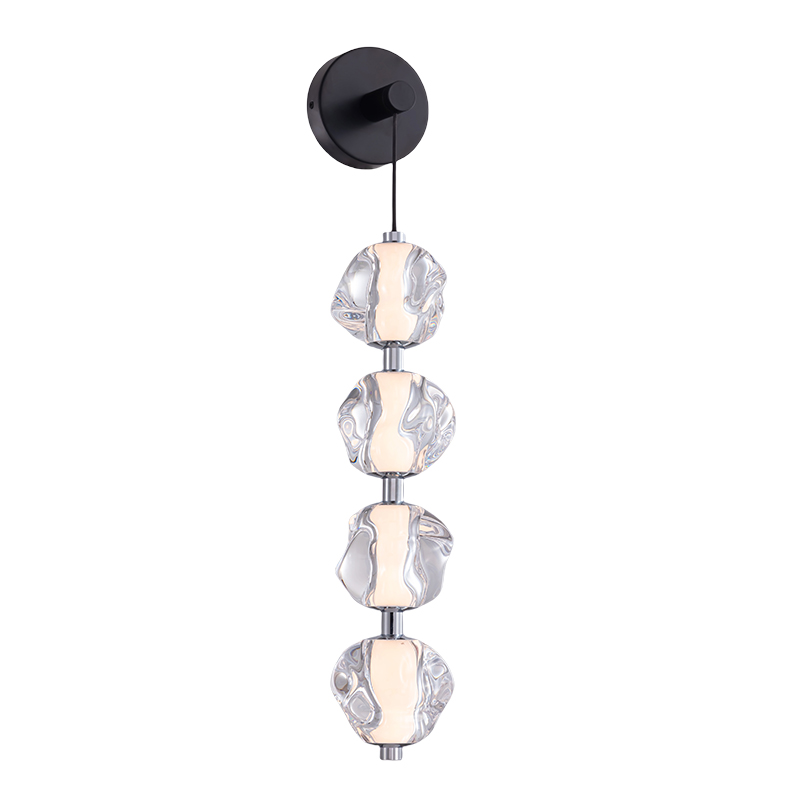
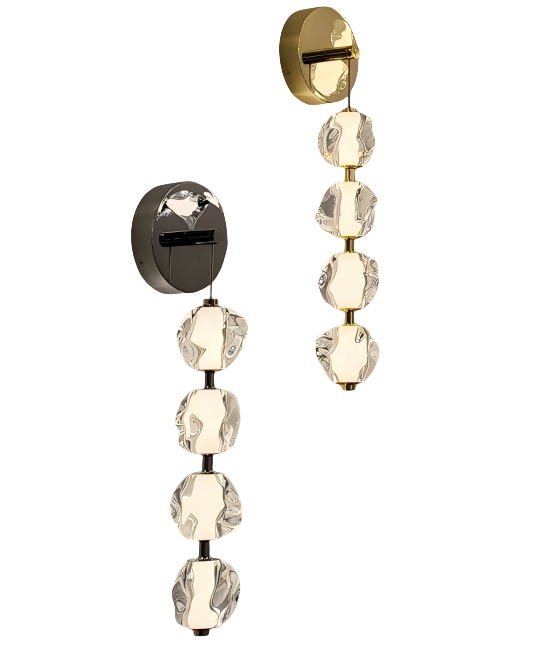
In the market, the acrylic wall lamp is praised for clean diffusion and durable housing. Yet old-school solutions often assume one-size-fits-all. That brings problems. Acrylic needs proper thermal management because LEDs and drivers generate heat. Without a designed heat sink, lumen output sags and colour can shift. Many legacy units pair acrylic shades with generic power converters and low-grade LED drivers. The result? Flicker, driver stress, poor CRI, and early yellowing of the lens—look, it’s simpler than you think: the stack matters. If the constant-current driver is noisy or the optical diffuser is mismatched, you waste efficiency and ruin the visual comfort. Then there is compliance. When EMC compliance and IP rating are treated as an afterthought, you get noise on the mains and moisture ingress down the line.
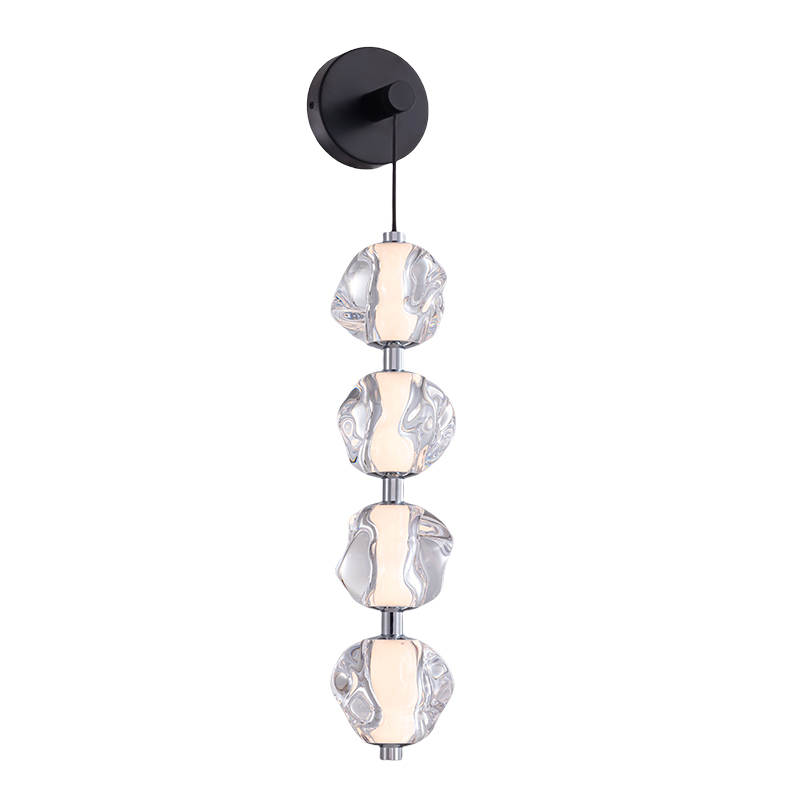
Installers also face hidden pain. Service spaces want quick mounting, clean cable glands, and stable anchors. But some traditional fixtures force awkward brackets, cramped terminal blocks, and brittle clips. That slows maintenance and raises risk. Another overlooked point is photometric data. Many acrylic luminaires are sold with “soft glow” promises but lack robust IES files. Facilities teams cannot plan uniformity or glare control, especially in corridors with CCTV where contrast matters. And yes, sensor add-ons help, but if the driver cannot handle dim-to-off or if surge protection is weak, sensors only mask the issue. The lesson is technical: match acrylic optics to LED binning, tune the driver to the thermal profile, and confirm power factor and harmonics before you ship.
Comparative Insight: From Acrylic Strength to Smarter Dimming
What’s Next
Now, let us look forward and compare approaches. When you bring a proper driver stack and smart control to an acrylic luminaire, you unlock efficiency and comfort. A dimmable wall lamp that pairs constant-current regulation with low-ripple output stabilises light at low levels. That protects eyes and cameras, and reduces energy draw. New technology principles matter here: better PWM-to-analog blending prevents banding on CCTV; integrated surge protection improves driver lifespan; and temperature feedback within the PCB throttles current gently. Pair that with refined injection moulding on the acrylic body and you get tight tolerances, stronger snap-fits, and cleaner seams—funny how that works, right?
But comparison tells the story. Traditional “on/off + acrylic” setups rely on time-based control. They work—until usage shifts. Modern builds combine occupancy sensing, corridor function dimming, and calibrated photometric curves. That means safer wayfinding and fewer dark spots. Add a high CRI package and a tuned optical diffuser, and colours stay true on walls and signage. Even more, EMC-friendly LED drivers reduce interference with building systems. The gains show up as lower maintenance calls, fewer driver swaps, and better user feedback. Brief recap, without repeating ourselves: design the thermal path, validate the optics, and make dimming intelligent, not just available. For teams choosing between options, keep it practical (and current).
Real-world Impact
Before we wrap up, three evaluation metrics help you choose wisely. First, test flicker index at multiple dim levels, not just 100%. If it spikes, your driver blend or modulation is off. Second, confirm full-stack durability: IP rating for the housing, verified surge protection, and thermal performance under real ambient temps. If heat builds, expect lumen droop and early failures. Third, demand usable photometric data: beam spread, UGR cues, and wall uniformity profiles. If the data is vague, planning will suffer. This is how you separate a basic acrylic wall light from a resilient system piece. Same fixture class, different outcomes—because integration beats patchwork. For steady progress, align your specs with lifecycle goals, not the lowest sticker price; your walls, and your books, will thank you. For reference on build quality and form, see kinglong.