

Introduction
Clarity rises when clutter leaves. Early morning, the boardroom hums, screens wake, voices settle. A paperless conference system takes the weight off the table, and the mind. Teams shift between in-room and remote speakers, and a wireless conference system stitches the circle without drama. In many firms, more than half of sessions now run hybrid; minutes are digital; agendas update live—bujhlen? Yet one question lingers like chai steam in winter air: do we truly save time, or just move the load into new corners?
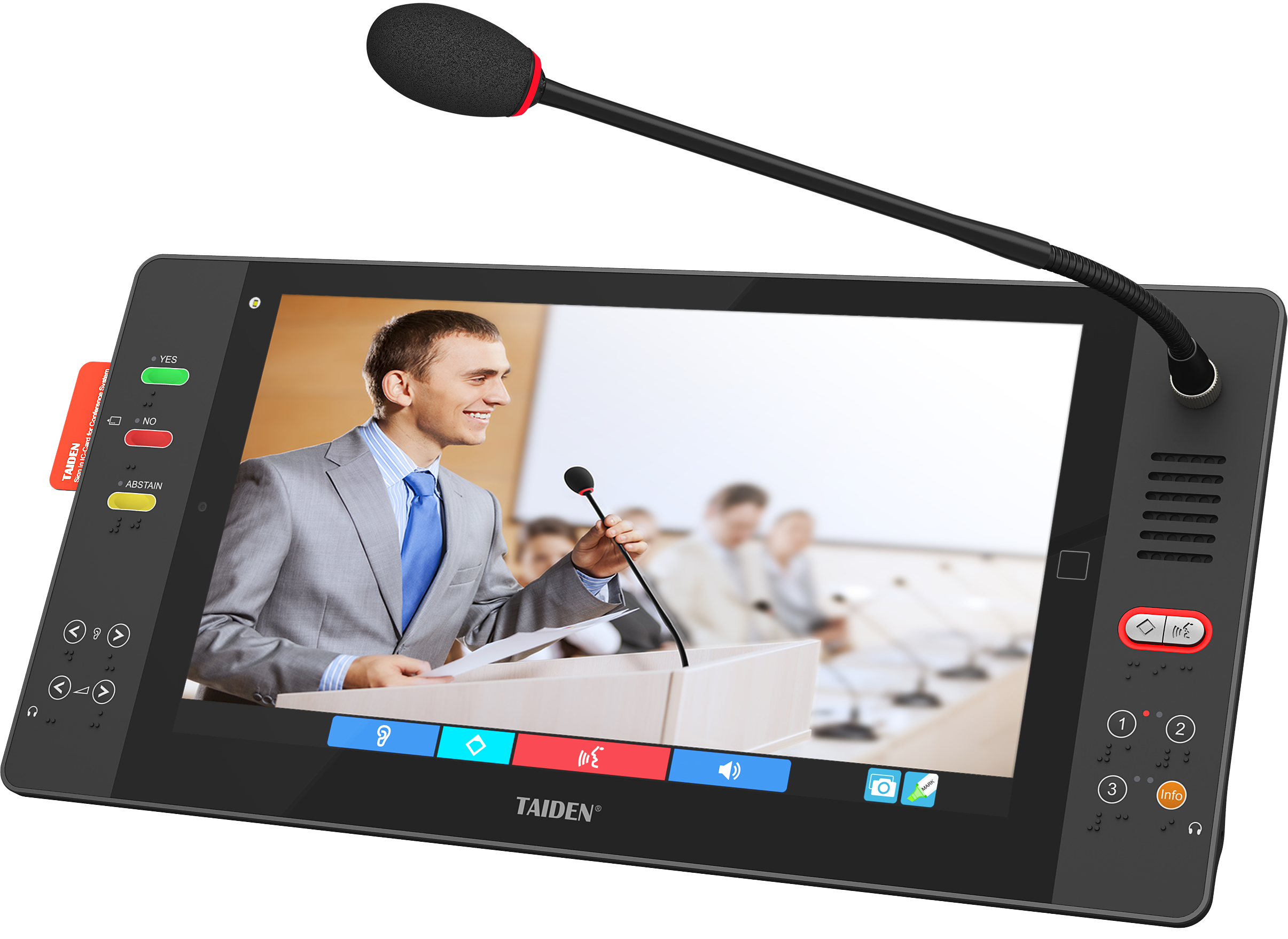
I share as a knowledge seeker, a little poetic, a little practical. In data rooms I see patterns. Fewer printouts means less handover loss, yes. But the deeper story sits in the signal path and in human attention. Packet loss, latency spikes, cognitive overload—each leaves its own small cut. When you look with care, you see where meetings leak energy. And you ask: what kind of system heals those leaks without adding new ones? Let’s walk there, slowly, then a bit faster.
Under the Noise: The Hidden Costs of Wires and Paper
What hides under the surface?
Let’s be technical for a moment. Traditional wired decks and paper handouts look solid, but they carry silent drag. Paper splits versions; eyes ping-pong between notes and speakers; decisions slip. Long cable runs add setup time and failure points; a single bad connector can sink a vote. Meanwhile, teams expect instant translation, live polling, and clean recording. That demands a tight latency budget, secure transport, and dependable audio pickup. Look, it’s simpler than you think: when the workflow is broken, people tune out—funny how that works, right?
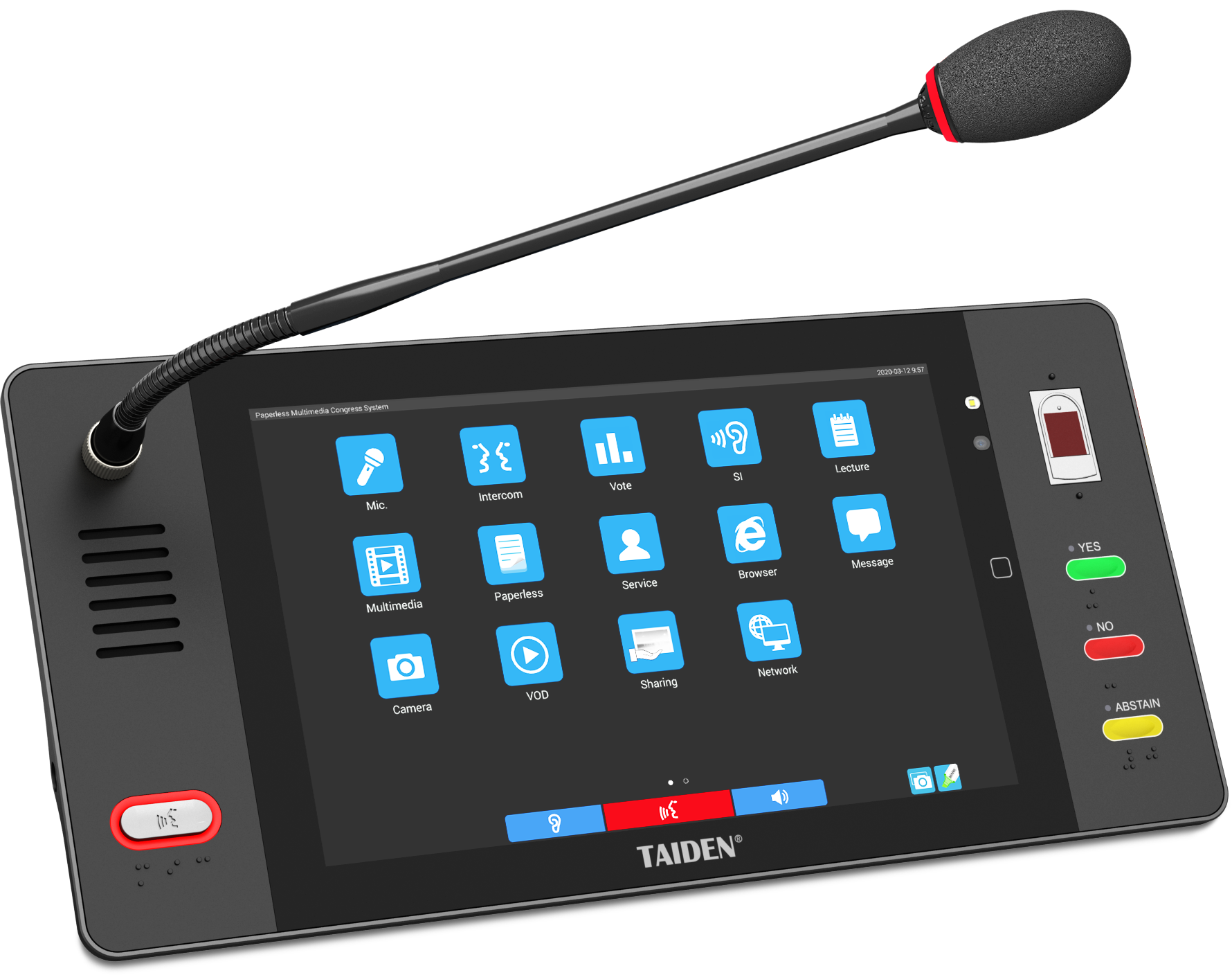
Here is the twist. A good wireless conference system does not just remove cables; it reduces friction across three layers: people, signal, and power. People layer: less paper, shared screens, one-tap agendas. Signal layer: coordinated RF spectrum use, AES-class encryption, and steady QoS so speech stays clean. Power layer: smart power converters and battery health data to avoid mid-session drops. Add edge computing nodes to handle local voting, name display, and recording, so the cloud is not a bottleneck. Beamforming microphones focus on the speaker; the digital signal processor keeps levels fair. In short, it is not magic. It is a chain with fewer weak links.
Comparative Signals: Principles Shaping the Next Meeting
What’s Next
Now tilt the lens forward. The strongest systems follow new technology principles: adaptive RF scanning that moves channels away from noise; mesh redundancy so a single unit failure does not break quorum; and firmware over-the-air updates that keep security fresh. A modern smart multimedia meeting system also integrates agenda sync, sign-in, and multilingual streaming without bolt-on boxes. That cuts cables and cognitive clutter. QoS policies reserve bandwidth for microphones first, slides second, and everything else last—because speech is the meeting’s heartbeat. Add PoE-friendly infrastructure or well-managed batteries, and the energy layer stops being a worry. Small detail, big calm.
Comparatively, you can feel the difference on day two, not month six. Legacy rooms depend on operator heroics; next-gen rooms depend on design. Old setups gamble with RF by accident; new setups monitor the RF front-end and steer clear. Old rooms copy paper into PDFs; new rooms make content live, with version control and audit trails. And yes, human comfort matters too. Fewer taps, fewer cables, fewer “can you hear me?” moments. The lesson so far: reduce roundtrips in both packets and people. Then measure. For buyers, three simple metrics guide the choice—evaluate end-to-end latency under full load, verify RF resilience and channel management in your building, and confirm the security posture (device authentication and encryption) as a baseline. Do this, and your meetings will breathe easier—funny how planning builds calm, right? For more context on innovation partners in this space, see TAIDEN.