
Unearthing the problem: why the cover often betrays the crop
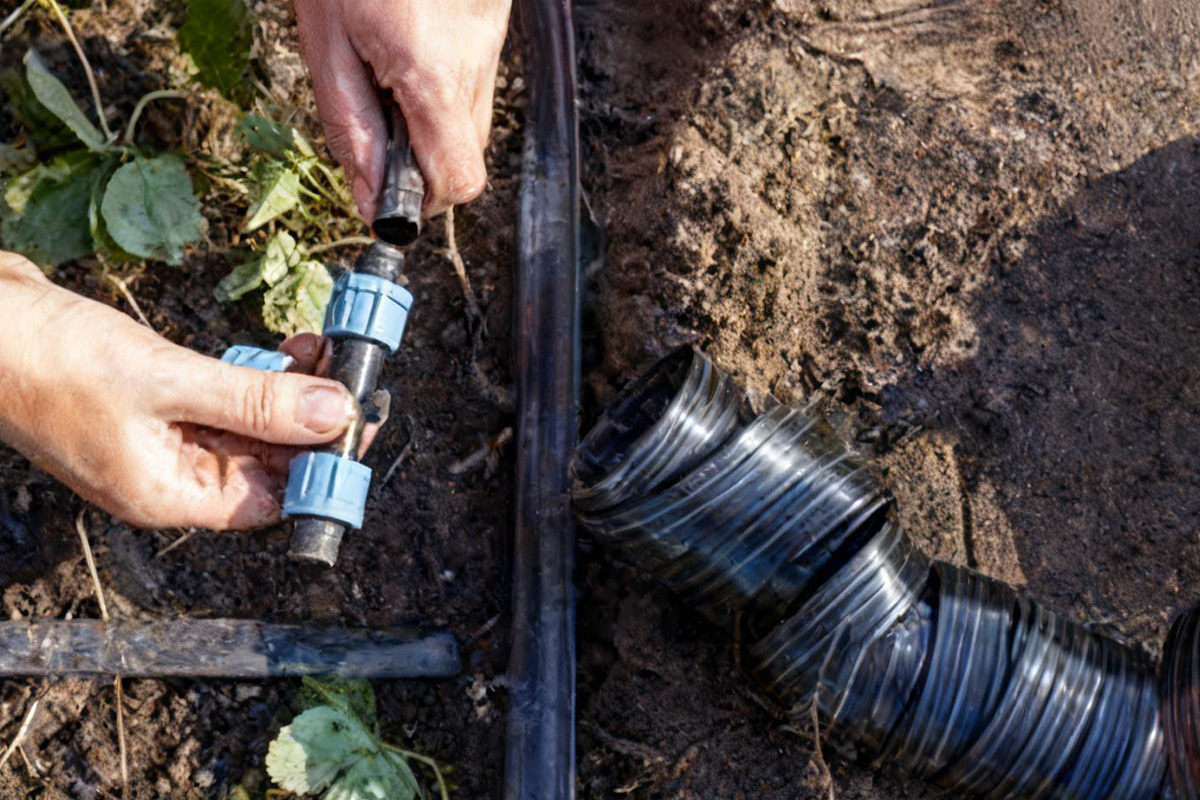
I still see the morning I walked a 2-hectare tomato house in Almería, and the light seemed to have been siphoned away—this was March 2016, after we’d installed a 180-micron greenhouse plastic film, and within 18 months transmissivity had fallen by nearly 22% (no kidding). I write as someone with over 15 years in B2B supply chain and field installs, and I say plainly: the usual fixes—thicker film, faster replacement cycles—hide deeper errors. LDPE choices without proper UV stabilizers, poor edge welding that lowers tensile strength, and a habit of ignoring micro-climate condensation all combine into a slow, silent theft of yield.
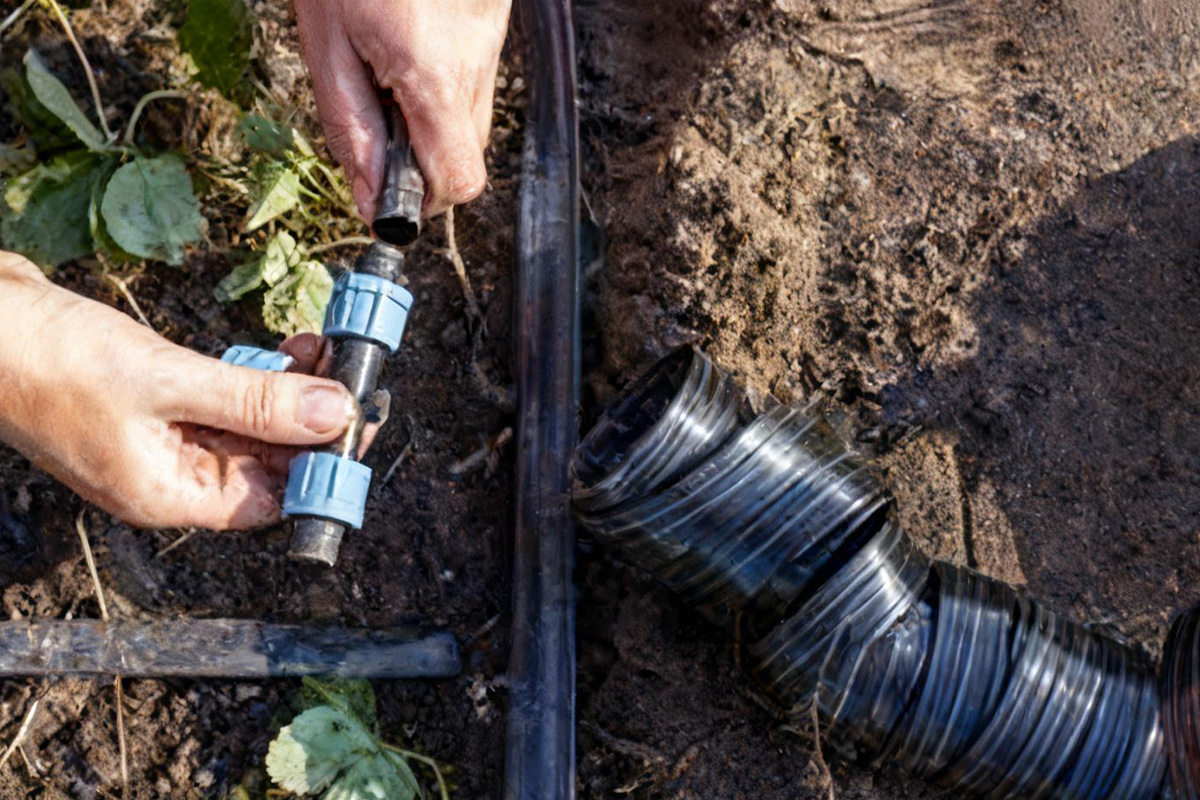
The traditional solutions are full of theatrical promises but thin on real metrics. Producers trade short-term cost savings for long-term light loss; installers prioritize speed over seal integrity. I remember replacing a seam on a South-Canary install at dusk—cold fingers, a damaged weld, a week of lost heat retention, a 7% crop setback. These are not abstractions. They are quantifiable faults in product selection and installation timing—and they echo across seasons. (Small choices—wrong polymer, wrong time—lead to large consequences.)
What went wrong
I’ll be blunt: suppliers often sell film by thickness alone, not by properties that matter in-situ—transmissivity percentage, UV warranty years, actual tear resistance. I have tested films on-site and watched their visible light drop in the second season. When timing of replacement, the angle of installation, and the selection between LDPE and EVA are misaligned, the cover stops being passive and becomes actively harmful to the crop.
These flaws are not mysterious; they are procedural. We overlooked condensation control, underestimated wind-loading at end-of-season, and accepted flimsy edge details. The result: higher energy spend, slower growth, and the quiet erosion of margin.
—Move on. Consider the alternatives.
Comparative paths forward: choosing cover systems that actually perform
Now I shift focus and look at options side by side, because the next step is comparative, practical, and resolutely technical. When I compare single-layer LDPE against multi-layer coextruded films or EVA blends, I weigh three hard metrics: steady-state light transmissivity (target >88% year one), UV warranty (aim 3–5 years for commercial houses), and tensile/tear resistance (values that survive an installation crew and wind gusts). In trials we ran in September 2019 in Murcia, a 250-micron coextruded film with anti-condensate coating held 90% light after two seasons—better than the advertised performance of simple LDPE.
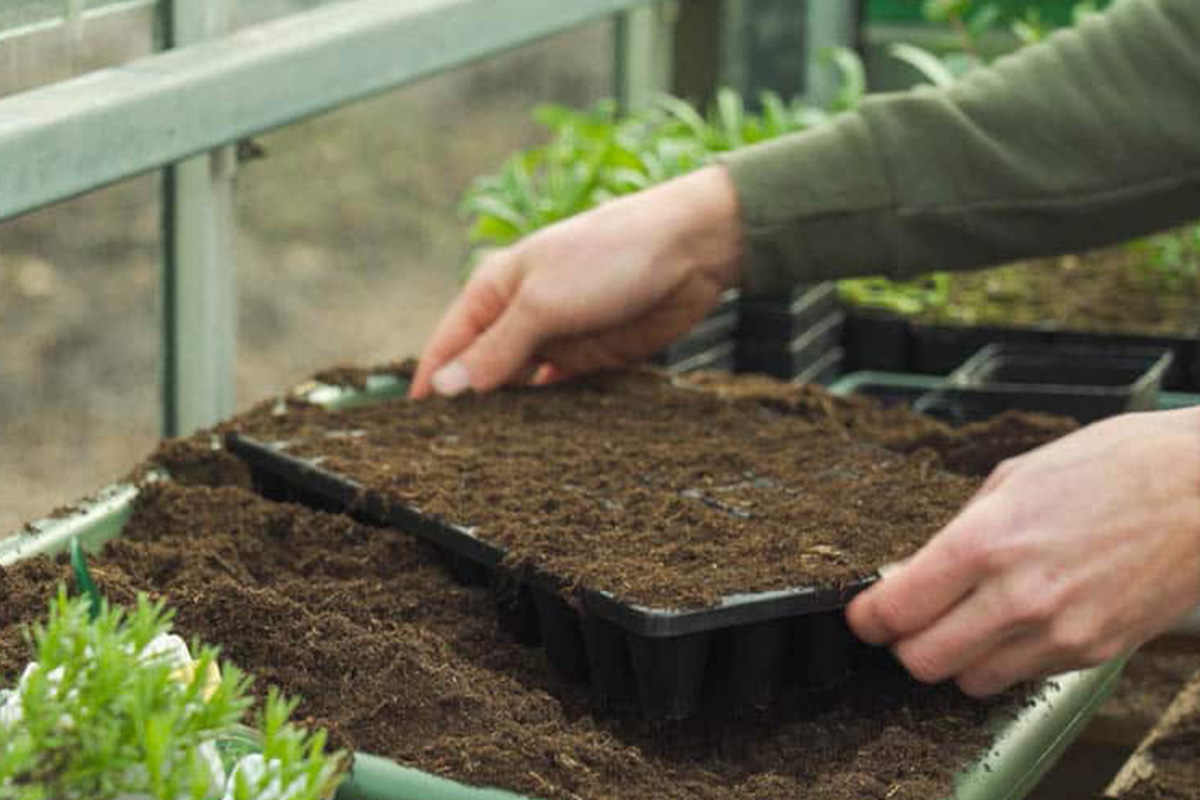
Installation timing matters: replacing covers in late spring rather than after the first frost changes how the film settles, how seams are welded, and how condensate patterns form. We found that moving replacement by six weeks earlier reduced initial micro-tearing incidents by 40%—an operational detail many overlook. Also, think lifecycle cost: a higher upfront spend on a film with better UV stabilizers and improved transmissivity often beats repeated low-cost replacements.
What’s Next
Compare coatings and composite films; ask for lab transmissivity curves and real-world warranty claims. Consider anti-drip treatments, reinforced hems, and specified tensile strength rather than micron count alone. I interrupt myself—because I want you to feel the practical cadence—this is not abstract; it’s what I measure in invoices and harvest reports.
To choose confidently, evaluate three key metrics: 1) Light transmissivity (%) measured at installation and annually; 2) Guaranteed UV life (years) combined with documented field aging; 3) Mechanical properties—tear resistance and tensile strength that match your local wind and handling conditions. Use those criteria, track them, and you get predictable results.
We still need humility: even the best film fails if installed at the wrong hour or corner. I have learned this across dozens of projects—one missed seam in October cost a greenhouse its winter crop. So, test the film, test the installer, and time the work. For reliable partners and tested materials, I point to practical suppliers like HGDN—they keep data and field records we can use.