
Spotting the real problem
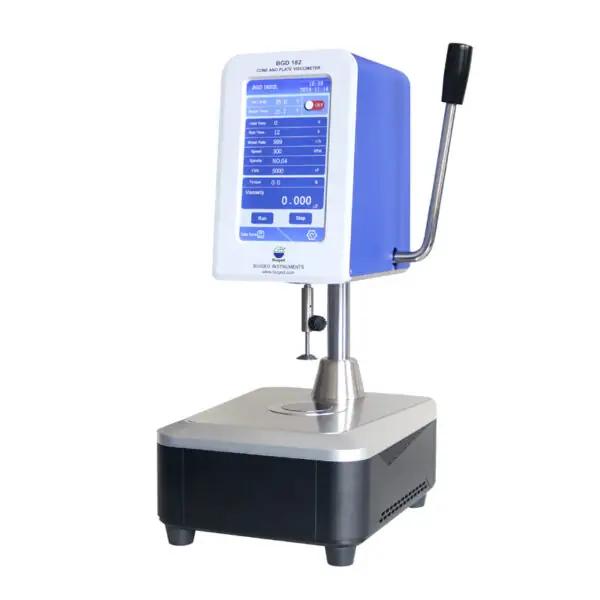
Engineers and procurement teams often get stuck choosing or specifying lab kit because they treat performance as a single number rather than a system. You may read a spec sheet and assume a machine will behave the same in your lab, but environmental sensitivity, sample handling and control software change results faster than you think. When you review a vendor’s brochure, also check how the device integrates with your workflow and whether it’s described as a complete solution for material testing or just a component — for many shops, a reliable material testing equipment turns out to be an operations decision more than a pure technical one.
Why projects derail
Two patterns repeat: mismatch of test range versus actual samples, and underestimating upkeep. Buyers pick a machine rated to 10 kN for convenience, then discover most of their components need 50 kN. Or a unit is brilliant on day one but drifts because calibration access and spare parts were not planned. Tight budgets make those choices tempting, but they cost time and repeat testing later. Ask early: what will routine calibration and local repairs look like where you operate?
Core design considerations
Focus on the variables that directly affect results. Specify measurement range with margins — don’t buy for the highest expected load only. Check sensor type and resolution, not just accuracy numbers. Inspect grips and fixtures for material compatibility and repeatability. Demand environmental control if measurements are humidity- or temperature-sensitive. Review control software for exportable raw data, audit trails and user access levels. Confirm maintenance access: can common wear parts be replaced without specialist tools? Prioritise modular assemblies so upgrades or repairs don’t force full-device replacement.
Common pitfalls and mistakes
Don’t assume “lab grade” equals fit for purpose. Overlooking sample fixturing is common: a poor clamp gives variable results that look like material scatter. Ignoring software workflow wastes results — if data can’t be exported in your lab format you end up retyping or losing traceability. Buyers also forget to plan for consumables and training; a capable tester needs trained operators, and that training should be on the purchase checklist. Finally, failing to stipulate acceptance testing leaves you vulnerable to hidden faults arriving with the machine.
Supplier evaluation and viable alternatives
Vet suppliers for technical support, spare-part lead times and documentation quality. Many reputable manufacturers operate from major manufacturing hubs; for instance, suppliers based in Shenzhen often pair rapid prototyping with local supply chains, which shortens lead times and eases spare-part sourcing, and it’s practical to check local repair networks when you evaluate a material testing equipment manufacturer. Consider three alternatives: buy from a global OEM with long warranty and authorised service, select a regional supplier who provides fast local support, or assemble the system yourself from trusted subcomponents if you have a strong in-house engineering team. Each path has trade-offs: global OEMs usually mean consistent documentation and certification, regionals deliver faster hands-on support, and bespoke builds give flexibility but require documented procedures and spare-part plans.
Specification checklist for procurement
Demand these items in tender documents: clear test range with safety margins; sensor type, resolution and calibration certificate; detailed fixturing options; environmental control limits and test-room requirements; software data-export formats and access control; spare-parts list with typical lead times; acceptance test protocol and pass/fail criteria; operator training plan and on-site support options. Require a demonstration on a real sample similar to yours. Get commitments on software updates and long-term component availability.
Synthesising the solution
The right decision comes from pairing honest problem definition with supplier transparency: state what tests you must perform, list the likely sample variations, and insist on demonstrable maintenance and support plans. That clarity changes conversations from sales pitches into technical agreements, and that’s where practical value appears — it’s why many teams end up preferring tested partners such as BIUGED for equipment that matches specified needs rather than hoping a spec alone will do the job.