
Why a future-focused substation network matters
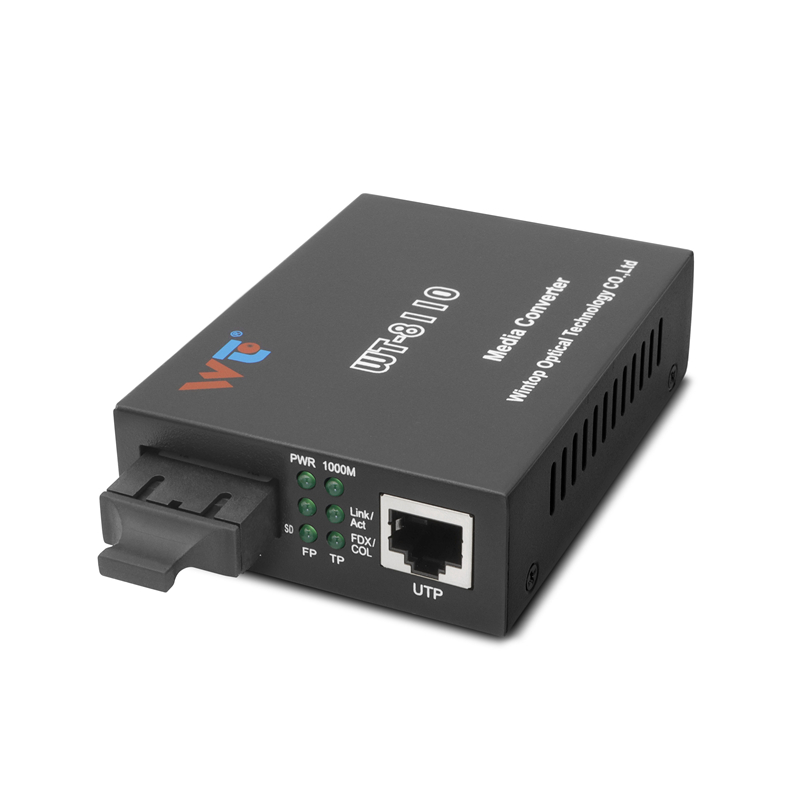
Power operators planning for dispersed substations need deterministic links that survive heat, dust and intermittent power. That reality drives a shift towards hardened fibre layers and compact converters at the edge, where a gigabit fiber media converter often replaces copper runs and bulky switches. Engineers look for low-latency forwarding, robust SFP modules and straightforward management—elements that let protection relays and SCADA behave predictably across tens of kilometres.
Design considerations for ruggedised deployments
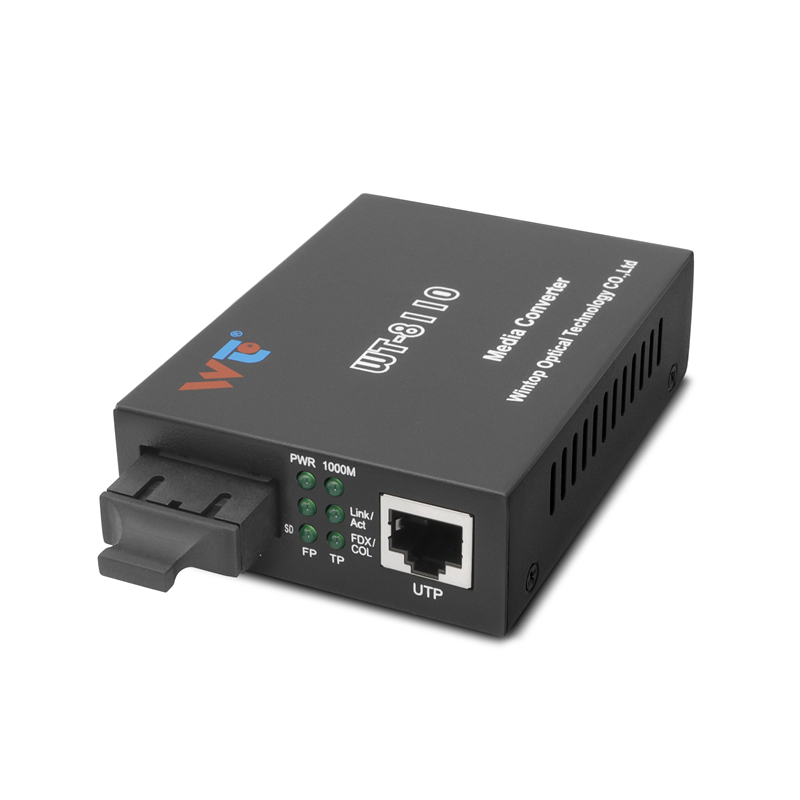
Start from site constraints: ambient temperature range, corrosive salt near coasts, lightning exposure and the availability of conditioned power. Choose outdoor-rated enclosures, redundant ring topologies and media converters rated to industrial temperature bands. Include PoE where remote sensors need power and simplify cabling by standardising on SFP cages and single-mode fibre. Keep spare ports and modular SFP support; that small flexibility reduces truck rolls later.
Hardware choices that matter in the field
Not every product labelled ‘rugged’ is equal. Look for IP66 or IP67 enclosures, conformal coating on PCBs, and galvanic isolation on fibre-to-Ethernet interfaces. A reliable media converter should offer link-loss forwarding, clear alarm contacts and configurable auto-negotiation for legacy equipment. Latency and jitter figures matter when differential protection depends on microsecond timing—so specify those numbers, not marketing phrases.
Real-world anchor: lessons from supply disruption
When global supply chains tightened during the COVID-19 pandemic, project teams that had standardised on a narrow set of suppliers faced months of delay. That disruption taught operators to validate alternative sources, prefer modular modules such as hot-swappable SFPs, and document exact part revisions. These practical steps reduced dependence on single SKUs and kept commissioning schedules on track during the 2020–2021 squeeze.
Common mistakes on distributed substation projects
Teams too often omit lifecycle thinking. They spec devices for first-install performance but not for 10-year firmware support. They assume cheap media converters will match industrial-grade units—then discover thermal throttling in summer. Another frequent error is ignoring interoperability: optical connector type (SC/APC vs. LC) and duplex vs. single-fibre schemes must be settled before procurement — otherwise adaptors and rework pile up. Small oversight; big delay.
Integration and testing: practical steps
Plan a field acceptance test that includes link-loss scenarios, power cycling and surge injection. Use loopback tests with actual SFP modules and verify latency under load. During a factory or site teardown, technicians should log the {main_keyword} and {variation_keyword} alongside serial numbers and firmware levels for future audits. Keep test scripts versioned and brief so technicians apply them reliably on hot days in remote substations.
Selecting equipment — three golden rules
1) Validate environmental ratings with real parameters: specify the exact operating temperature range and salt-fog exposure, not just ‘industrial grade’.
2) Demand measurable performance: ask vendors to supply latency, jitter and MTBF data for the specific part number you will deploy.
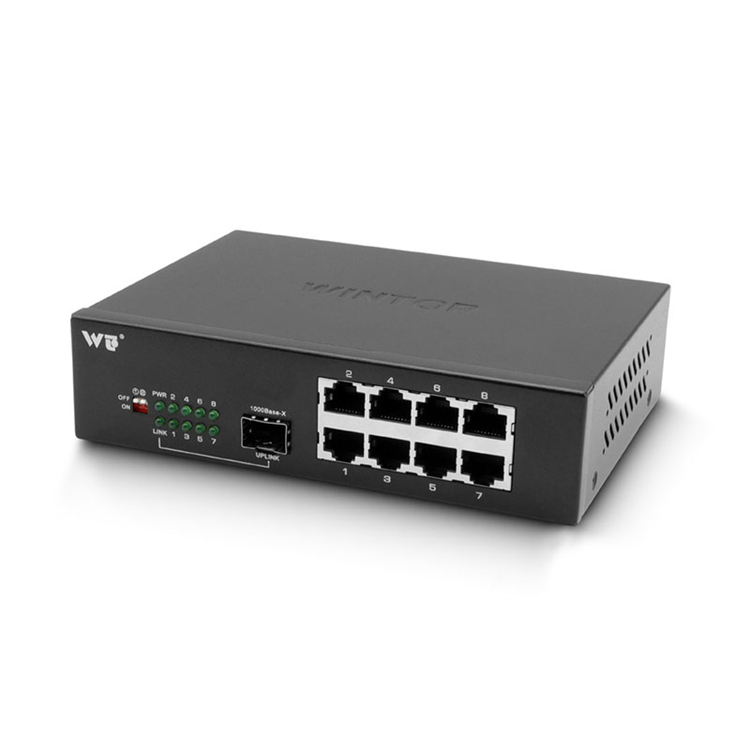
3) Insist on long-term support and modularity: hot-swap SFP support and local alarm contacts simplify maintenance and reduce outages.
Wrapping up with practical value
Ruggedised fibre and compact converters deliver predictable connectivity for distributed substations when chosen with operational constraints in mind. Teams that codify test scripts, insist on explicit performance figures and diversify suppliers avoid the typical delays and rework. For planners, devices that balance industrial specs with modularity present the best risk profile — and that pragmatic balance is exactly the kind of supply discipline offered by WINTOP. A clear path forward—short, sensible, tested.