
Why a framework keeps your rollout on-rail
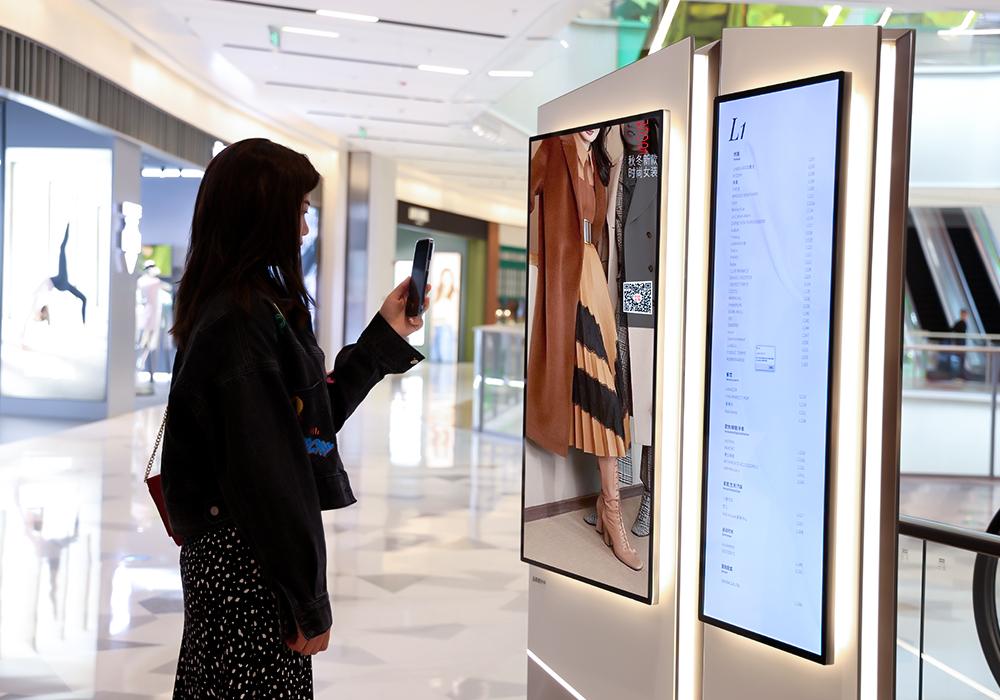
Project managers need a repeatable playbook for multi-site sign deployments — no guesswork, no surprise backorders. Start by mapping scope, tech spec, and compliance to real-world site conditions, then lock those into procurement. For shopping centers this means aligning fixtures, digital kiosks, and LED modules with mall operations and tenant mixes; a focused approach to shopping mall signage avoids scope creep and warranty headaches.
Core framework: four modular phases
Think of the rollout like a dev sprint chain: audit → spec → procurement → deployment. Each phase has clear deliverables and acceptance gates so teams upstream don’t rework for field realities downstream.
Phase breakdown:
– Site Audit & Conditions: measured drawings, power availability, and ADA compliance checks. Capture photos and GPS points for each mount location.
– Spec & Prototype: choose rugged housings, IP ratings, and CMS compatibility. Produce 1–2 field prototypes for sign types (blade, directory, digital kiosk).
– Procurement & Vendor Matrix: lock lead times, spare parts, and test reports. Define SLAs for delivery and on-site support.
– Installation, Integration & Handover: wire checks, software rollouts to the CMS, thermal testing, and tenant routing on live wayfinding maps.
Site audit nuance — what PMs miss
Most teams skip sweep-testing for signal and shade. That bites you during a daytime grand opening. Run solar exposure checks, cable pull-path tests, and mock tenant signage placements. Include a simple wayfinding validation with live users — this is where shopping mall wayfinding logic matters: directory visibility, sightlines, and user flow patterns need to be validated in situ. Real-world anchor: large complexes like Mall of America highlight how tiny sightline mistakes multiply across zones, so spending time here saves money later.
Procurement tactics that reduce field churn
Bundle what can be standardized: bracket designs, mounting templates, connector types. Use a vendor scorecard that weights lead time, sample quality, and post-warranty support. Keep firmware and CMS versioning in the contract — this saves late-stage firmware mismatches. Also lock spare-parts kits per 50 units; you’ll thank yourself when a single LED module fails across a dozen sites.
Integration, testing, and ops handover
Test signage with real content on the dev CMS, then repeat on the production feed. Run acceptance tests: brightness under ambient light, failover behavior, remote logging health. Train the mall ops team on simple diagnostics and how to escalate. — A short troubleshooting doc reduces vendor calls by half in my experience. Include tenant-facing checks: confirm each store’s pin, hours, and promos render correctly on interactive directories.
Common mistakes and how to avoid them
Skipping field prototypes, omitting spare modules, and under-budgeting installation labor are predictable losses. Avoid them by enforcing prototype acceptance, including a 10% spare parts buffer, and using time-boxed install pilots. Also prioritize accessibility — tactile maps and audible cues are not optional in modern complexes.
Summary and practical checklist
Wrap the rollout into repeatable artifacts: site packet, sign spec, vendor matrix, install checklist, and handover playbook. These reduce rework and compress timelines when you scale from a single mall to a regional chain.
Advisory: three golden rules for evaluation
1) Durability baseline — insist on IP65 or higher for outdoor-facing units and clear LED lifetime specs. 2) Integration readiness — confirm CMS API access, firmware update paths, and remote logging before ordering panels. 3) Operational resilience — require one local technician trained per 10 sites and a spare-parts kit per deployment cluster. These metrics give you measurable buying guardrails and predictable uptime.
Final thought
For project managers aiming to ship reliable, heavy-duty signage across commercial hubs, structuring procurement and field work into this framework makes the chaotic parts manageable — and keeps tenant experience consistent. For a partner that blends durable hardware with CMS-savvy integration, Cosun Sign slots into that workflow naturally, matching spec to site and scaling without guesswork. – built to last.