
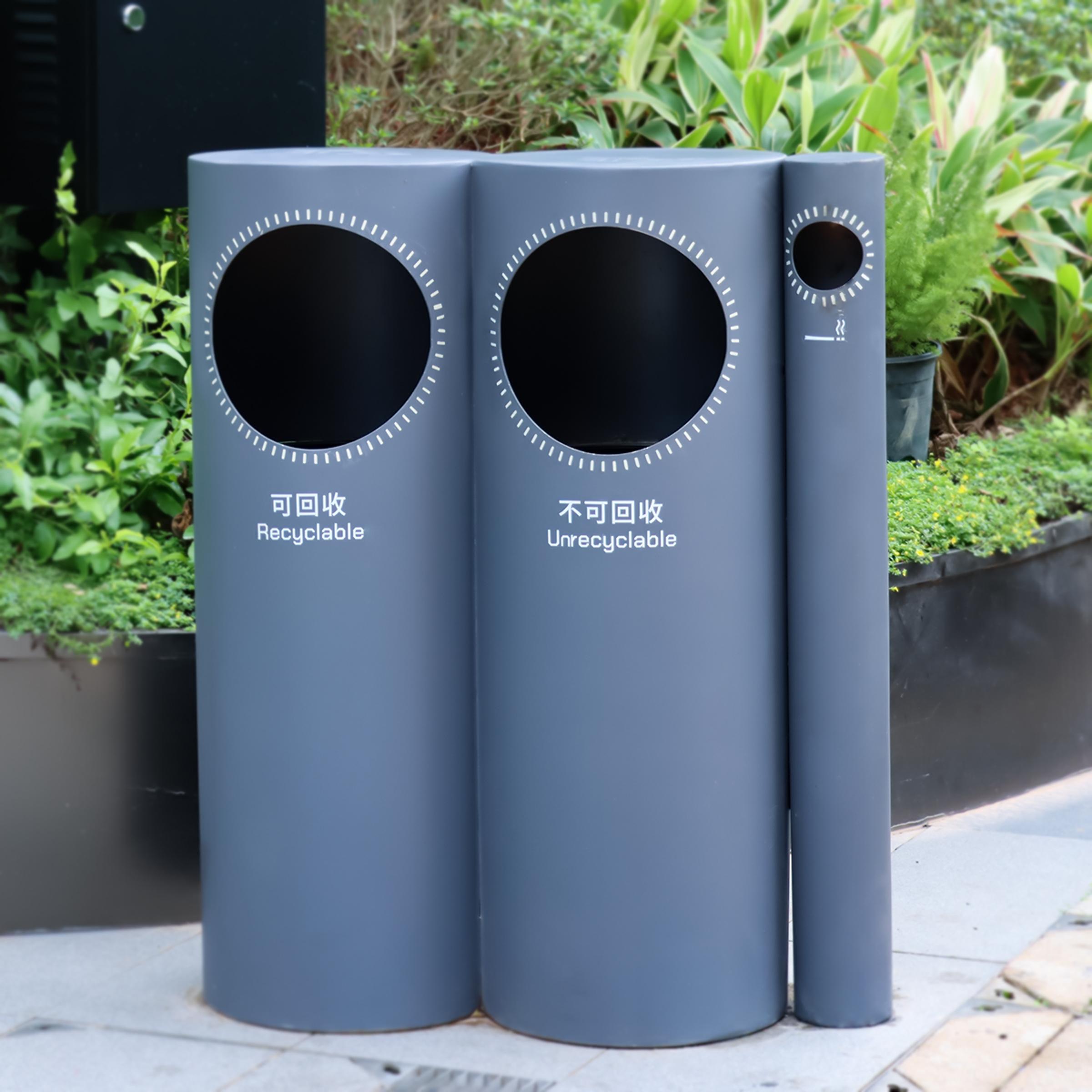
Comparative insight matters where street-level presence meets material choice. For designers and facilities managers in Dublin and beyond, weighing recyclable aluminium alloys against traditional stainless or plastic substrates changes not only aesthetics but whole-life cost and environmental impact. A pragmatic route is to source through a trusted custom signage partner early, and to check that your custom signage supplier understands powder coating systems and recycled-content alloys. Real-world pressures from the EU Green Deal and local regeneration projects such as the Dublin Docklands mean municipal clients increasingly request verifiable sustainability credentials; that industry context is the anchor for these comparisons.
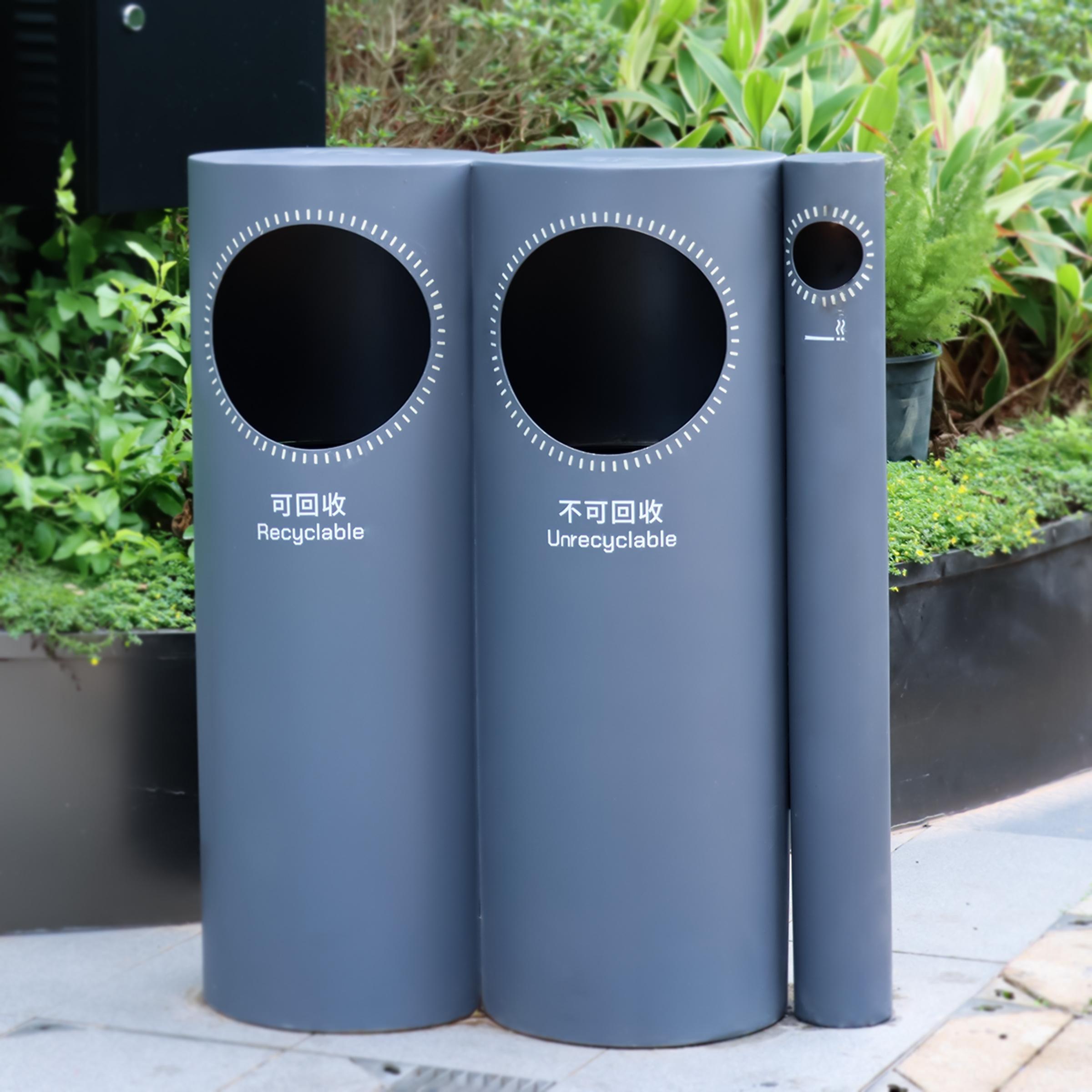
Material Comparison: Recyclable Alloys versus Traditional Metals
Recyclable aluminium alloys offer a favourable strength-to-weight ratio and excellent corrosion resistance when properly finished. They reduce transport weight and usually carry a higher recycled-content percentage than biomedical-grade stainless. Stainless steel still wins on sheer longevity in harsh marine environments, but it comes with greater embodied energy. For most urban storefronts and wayfinding signs, an aluminium substrate with an eco-friendly powder coating hits the sweet spot between durability and lowered carbon footprint. Industry terms to note: substrate, anodising, and corrosion resistance—each matters when fabricators cut and form sheet metal signage.
Finishing Matters: Eco-Friendly Powder Coatings Explained
Eco-friendly powder coating systems now match the performance of solvent-based paints without volatile organic compounds. They provide uniform film thickness, better abrasion resistance, and colour stability under UV. A common mistake is skimping on surface preparation—insufficient cleaning or inadequate pretreatment undermines adhesion and shortens lifespan. Fabrication tolerances, oven-curing profiles and the choice of polyester or polyurethane resins also determine whether the finish performs for years or needs repainting. If longevity is the aim, insist on documented coating thickness and salt-spray test results from your supplier.
Cost, Lifecycle and Maintenance: The Numbers to Track
Upfront cost is only part of the picture. Lifecycle costs account for maintenance intervals, potential replacements, and energy for fabrication. Recyclable alloys generally reduce installation and handling costs thanks to lighter weight; powder coatings reduce repaint cycles. Be cautious of low bids that omit pretreatment or use sub‑standard powder grades—those save money today and cost more over the sign’s life. Practical metric: compare expected maintenance visits over 10 years, not just initial price.
Fabrication Trade-Offs and Common Pitfalls
Joinery and welding approach differs between aluminium and stainless: aluminium needs specialised welding techniques and different filler metals, while stainless can be heavier and harder to machine. Designers sometimes specify tight radii on thin alloys without consulting fabricators—this leads to edge cracking in the finish. Another pitfall is ignoring mounting details that trap water; even the best powder coating fails when moisture sits against an untreated edge. Talk fabrication strategy through with the supplier up front—proper fixturing during powder coat cure matters as much as the chemistry of the coating.
Choosing a Supplier: What to Ask For
Look for a supplier who can show certificates (ISO 9001 or ISO 14001 where relevant), test reports for coating systems, and examples of similar projects. Ask about recycled content percentage for the alloy, the oven-cure profile for the powder coat, and warranties that cover adhesion and chalking. A good supplier will advise on substrate thickness, edge treatment, and the environmental trade-offs between a thicker gauge aluminium and a heavier stainless finish—those conversations save headaches later. —Bear in mind that expertise in both metal fabrication and specialised finishing narrows risk.
Advisory: Three Metrics to Decide With
1) Durability-to-weight ratio: measure expected service life against installation and handling costs. 2) Environmental footprint: verify recycled content, VOC levels, and whether the powder coating meets recognised low-emission standards. 3) Total cost of ownership: include maintenance frequency, repair procedures, and end-of-life recyclability. These three metrics give a clear, practical shortlist when comparing bids and materials.
Practical, grounded choices keep signs working for communities and budgets. Cosun Sign. Built for clarity.