
Introduction — a lab morning that changed my view
I vividly recall a Saturday morning in April 2016 at a small contract lab in Boston when a simple extraction test halted a project (the team was exhausted but hopeful). The device in question required biological evaluation and the initial data showed an unexpected cytotoxicity signal: six of eight replicates failed. That single data point forced a replay of sterility testing, material sourcing checks, and a delay that stretched to three months — a hard lesson in how small risks cascade. How do you avoid that domino effect, and where do the real gaps lie?

Over my 18 years in medical device regulatory consulting, I’ve seen this pattern enough times to name the usual suspects. I write from hands-on experience: product line reviews, bench testing of silicone catheters in July 2019, and an ISO audit in Minneapolis on 12 March 2021 that changed protocols. Those events shaped my view on practical fixes and real-world trade-offs. Read on for what I learned and the specific checks I now demand before a submission — and why they matter.
Part 2 — Where standard reports miss the mark
Begin with the phrase that matters: a biological safety evaluation report should explain risk in plain steps, not hide it in tables. Too often the report arrives as a stack of numbers and references to ISO 10993, but no clear mapping to the device use-case. In my experience, that disconnect is the first flaw. Laboratories list cytotoxicity, sensitization, and irritation results, yet fail to say which manufacturing lot, surface finish, or sterilization method produced which outcome. That omission is not minor; it forces rework — sometimes three separate retests — and costs teams time and money.
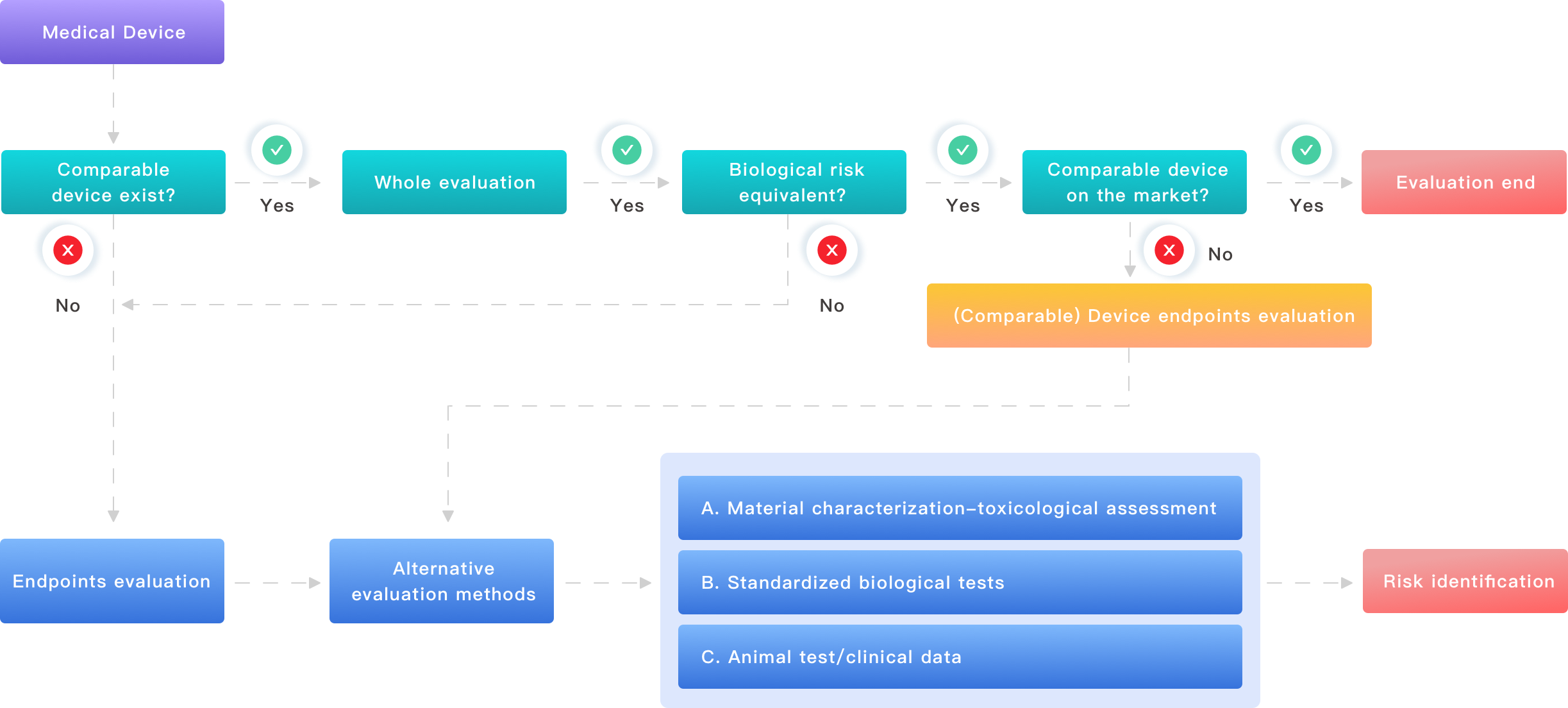
Technically, the issue is often traceability. Test reports should link raw data to sample IDs, extraction conditions, and the in vitro methods used. I once tracked a failed cytotoxicity result to a solvent residue from an outsourced coating applied on 22 June 2018. We quantified the delay: 90 days to re-source materials and an extra $120,000 in testing. That kind of concrete detail matters to reviewers and to risk assessments. We need sterility testing records, endotoxin checks, and clear pass/fail thresholds tied to intended patient contact duration. Without those, the report reads like an academic paper rather than a device-risk document.
So what specifically breaks down?
Short list: inconsistent sample labeling, vague extraction protocols, and missing sterilization history. Fix those and you reduce rework — and I mean materially reduce it.
Part 3 — Case example and what comes next
Looking forward, I favor a practical mix: tighter protocol templates, better supply-chain traceability, and targeted pretesting. For example, in a September 2022 project for a polyurethane catheter used in ambulatory care, we ran focused pretests on adhesive residues before the full battery of assays. That step cut the full test matrix by half and found a migration issue early. That is an example of changing practice: not more testing, but smarter tests. Also — we started mapping risk to product use profiles and that allowed us to prioritize biocompatibility testing for materials that actually touch tissue.
What this looks like in practice: define worst-case extraction conditions up front, log sterilization cycles with lot numbers, and run small-scale in vitro assays to screen materials before formal GLP studies. These shifts shorten timelines and improve clarity for reviewers. They are not costly when compared to delays. From where I sit, teams that adopt these steps get fewer review questions and faster approvals.
What’s next — practical metrics to watch
When you evaluate labs or protocols, I recommend tracking three clear metrics: time-to-first-pass (days from sample submission to a usable initial result), traceability score (percentage of tests with full lot and sterilization lineage), and retest rate (percentage of tests that require rerun due to protocol gaps). I use these numbers in proposals and internal dashboards. They are simple. They are measurable. They change behavior.
My view is direct: invest in clearer reports and targeted pretests, and you’ll avoid the common traps I described. I have seen this work in Boston, Minneapolis, and across client sites in Europe. These fixes help product teams, regulatory reviewers, and — ultimately — patients. For a robust partner in this space, consider resources like Wuxi AppTec Medical device testing — I mention them because I have collaborated with labs of that scale and they understand how to bridge lab data with practical device risk.