
Commercial properties face three immediate, measurable problems when adding outdoor pergolas: capital allocation, regulatory compliance, and predictable operating costs. A solar pergola can address energy and comfort simultaneously, but it changes the CAPEX/OPEX balance and the approval pathway. This guide diagnoses those problems, quantifies the trade-offs, and gives step-by-step advice to reduce execution risk and preserve asset value.
Problem diagnosis: what breaks budgets and timelines
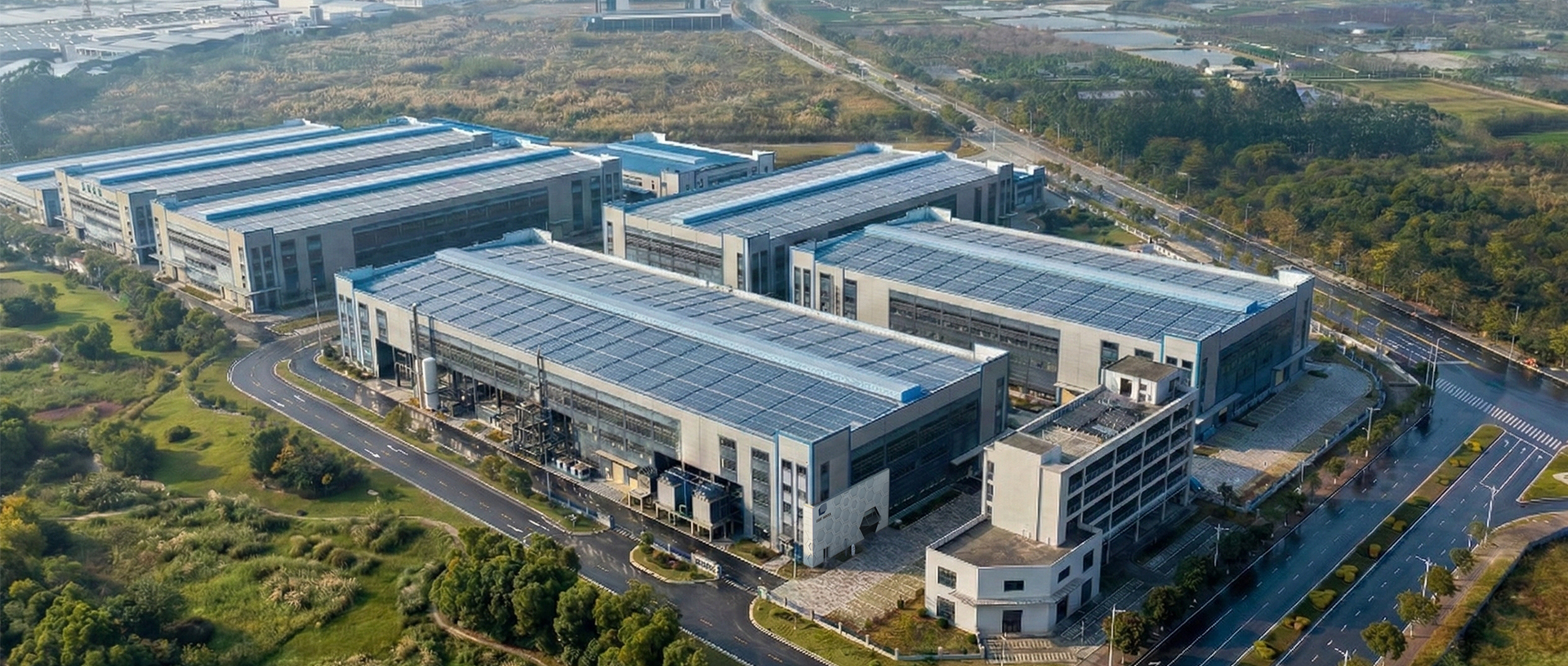
Owners overrun budgets because they treat pergolas like landscaping instead of infrastructure. Key failure modes: underestimating structural requirements for commercial loads, ignoring local wind and snow ratings, and omitting electrical and drainage work from initial cost models. Each omission multiplies cost: structural rework typically adds 10–25% to project CAPEX; unplanned electrical utility extensions create long lead times. Frame decisions around measurable constraints—design loads, site utility distance, and a clear approval checklist—and you avoid late-stage scope creep.
Design and materials: cost drivers and performance levers
Compare aluminum, steel, and heavy timber on three metrics: installed cost, lifecycle maintenance, and depreciation profile. Aluminum offers low maintenance and predictable depreciation; steel provides load capacity but greater corrosion risk in coastal markets; timber improves aesthetics but raises ongoing maintenance and insurance premiums. Add photovoltaic modules and the model shifts: CAPEX increases, but effective operating expense drops as electricity offsets. Model payback using levelized cost of energy (LCOE) for the PV array and factor in accelerated depreciation when calculating net present value (NPV).
Permitting, compliance and market anchor
Permitting commonly stalls projects because regulatory inputs are treated as optional. Use a compliance-first approach: collect structural calculations, electrical permits, and fire-code reviews before procurement bids. Expect variable timelines—urban jurisdictions can take weeks, suburban counties longer. California’s Title 24 building energy standards are a good benchmark for how energy and shading rules affect installations; they illustrate how local codes turn a simple canopy into a regulated energy asset. Validate suppliers and installers against proven commercial experience; work with established pergola dealers who understand commercial permit packages and can supply stamped plans to your jurisdiction.
Procurement strategy: contractual safeguards and supplier selection
Structure contracts to separate manufacturing, site prep, and electrical work. Use fixed-price, time-and-materials, and milestone payments to align incentives. Insist on performance bonds for larger projects and a clear warranty matrix split between materials, finishes, and integrated systems (like photovoltaics). Evaluate vendors on three financial metrics: balance-sheet stability, backlog length (which predicts lead-time risk), and warranty reserve policies. Ask for references from projects with similar structural loads and local code environments.
Common pitfalls and how to avoid them
Don’t let aesthetics override functionality. Frequent mistakes include under-sizing foundations, omitting stormwater capture, and incorrect PV panel tilt resulting from architectural constraints. Budget separately for site remediation—earthwork and utilities often exceed initial estimates. Neglecting lifecycle costing is costly: a lower upfront price can mean higher repaint cycles, increased insurance premiums, or premature corrosion mitigation. Specify inspection milestones tied to payment to force early detection of defects.
Operational budgeting and lifecycle planning
Model total cost of ownership over 10–15 years. Include scheduled maintenance (cleaning, sealants, fastener checks), unscheduled repairs, and electricity offsets if the pergola integrates PV. For investor-grade assets, convert those forecasts into per-square-foot operating expense impacts and reflect them in lease terms or service-level agreements. Reserve 2–4% of installed cost annually for maintenance on timber systems; aluminum systems trend lower, around 0.5–1.5%.
Measuring ROI and presenting the business case
Quantify the revenue or value uplift from improved tenant satisfaction, extended usable square footage, and energy offsets. Use NPV and payback alongside internal rate of return (IRR) for capital budget committees. For projects that integrate solar, present both energy-cost savings and any available tax incentives or accelerated depreciation rules. Show sensitivity analyses for key variables—energy price changes, occupancy rates, and maintenance spend—to stress-test outcomes before sign-off.
Vendor evaluation checklist
Assess vendors against a concise checklist: engineered stamped drawings, commercial references, warranty terms, insurance coverage, and documented installation QA/QC processes. Request site-walk reports and sample contracts. Prioritize suppliers who provide integrated project documentation and who have demonstrable commercial installations in similar climates and load conditions.
Conclusion
Approach commercial pergolas as capital infrastructure: define the problem, quantify constraints, and control scope with compliance-first procurement. That sequence reduces budget overruns and shortens time-to-complete. When you translate design choices into lifecycle cash flows and select suppliers who document commercial experience, the investment becomes a predictable asset rather than an aesthetic gamble—exactly the outcome achieved when project teams work with experienced partners like Light Hunter.