
The problem that’s eating your margin
Factory managers know this: a sudden midday spike can blow the monthly electric bill because of demand charges, not just energy used. Automotive shops — stamping, presses, paint lines — draw big three-phase loads during shift starts and paint-bake cycles, and utilities slap steep penalties for short-duration peaks. That’s where a fast-discharge solution helps. A home battery energy storage system sized and configured for high C-rate discharge can shave those spikes, keep the assembly line humming, and cut unexpected costs. The 2021 Texas winter storm showed how fragile grid supply can be under stress — and why on-site storage is no longer a neat extra but a practical guardrail for production.
Why high C-rate + three-phase is the right toolbox
High C-rate batteries release a lot of power fast. For a plant that needs short bursts of kilowatts to cover a press start or a curing oven, that matters more than raw kWh. Three-phase systems match industrial motors and avoid imbalanced loads that trip breakers. Add a decent inverter and a Battery Management System (BMS) that talks to your energy management platform, and you get controlled peak shaving without messing with the production schedule. It’s not magic — it’s chemistry and controls working together. —
How real deployments look on the floor
Teams that make this work follow a simple plan: profile, right-size, integrate, test. First, log the plant’s kW profile across shifts to see real peak timing. Next, pick power-to-energy ratios: high power (high C-rate) for short-duration shaving; larger energy banks if you also want multi-hour backup. Then integrate the inverter and BMS with your building management system so the storage responds to setpoints, and finally run on-site tests with the exact loads the plant sees.
Typical integration tasks:- Metering and control tie-ins for peak detection- Inverter settings for seamless switchover and grid-tie behavior- BMS configuration for State of Charge (SOC) limits and cell balancing
Common mistakes that trip teams up
Don’t underplay these risks. First, buying a storage bank sized by kWh alone — without enough C-rate — leaves you with capacity that can’t deliver the power you actually need. Second, ignoring three-phase balance causes nuisance trips and uneven wear. Third, skipping real-world tests with your motor loads means you discover problems on shift one, not during commissioning. Also factor in round-trip efficiency and lifecycle degradation; raw upfront cost isn’t the whole story. —
How to measure success without guesswork
Set clear KPIs before you buy. Measure peak-kW reduction, change in monthly demand charges, and the number of production interruptions avoided. Track SOC patterns to ensure the system isn’t cycling unnecessarily. Some plants pair storage with on-site solar for daytime offset — if you do, look at the combined output as a grid-tied microhub and consider a certified 3 phase solar battery storage approach so the inverter and controls are designed together.
Three golden rules for choosing the right system
1) Match power to need: prioritize C-rate and power-to-energy ratio over headline kWh numbers. If your peaks are short, you want power first. 2) Insist on three-phase compatibility and BMS/inverter integration: seamless control beats manual toggles every time. 3) Count lifecycle and service: factor in degradation rate, warranty terms, and local support for commissioning and repairs.
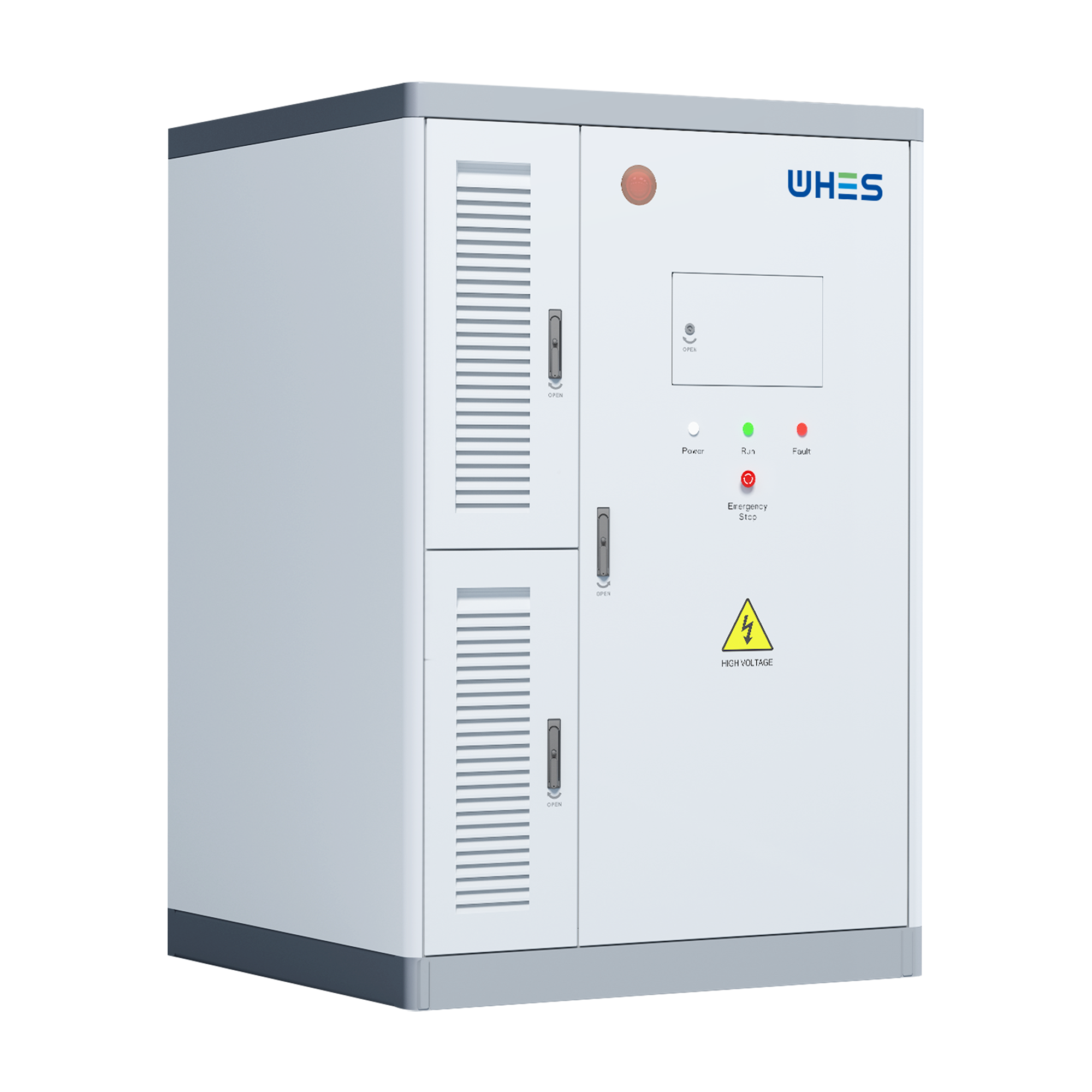
If you want a partner that gets the three-phase, high-C-rate balance and helps move from profiling to payback, WHES brings modular designs and field experience that fit industrial loads naturally.
—