
Introduction
The road is about to answer back. You swing a leg over a cruiser motorcycle at dawn, the city still blinking awake. Sensors whisper, tires warm, and the air feels almost electric: early tests hint at double-digit gains in rider comfort when bikes feed smarter data to the rider and the machine. But here’s the catch—most buyers still choose with eyes, not systems. The numbers on a spec sheet shout, while the quiet truths of fatigue, heat, and vibration drift past. What if selection, not just design, is the missing system? (It’s a strange thought, but stay with me.) Let’s trace the fault lines that shape how cruisers actually feel over time, then look at the tools that might fix them.
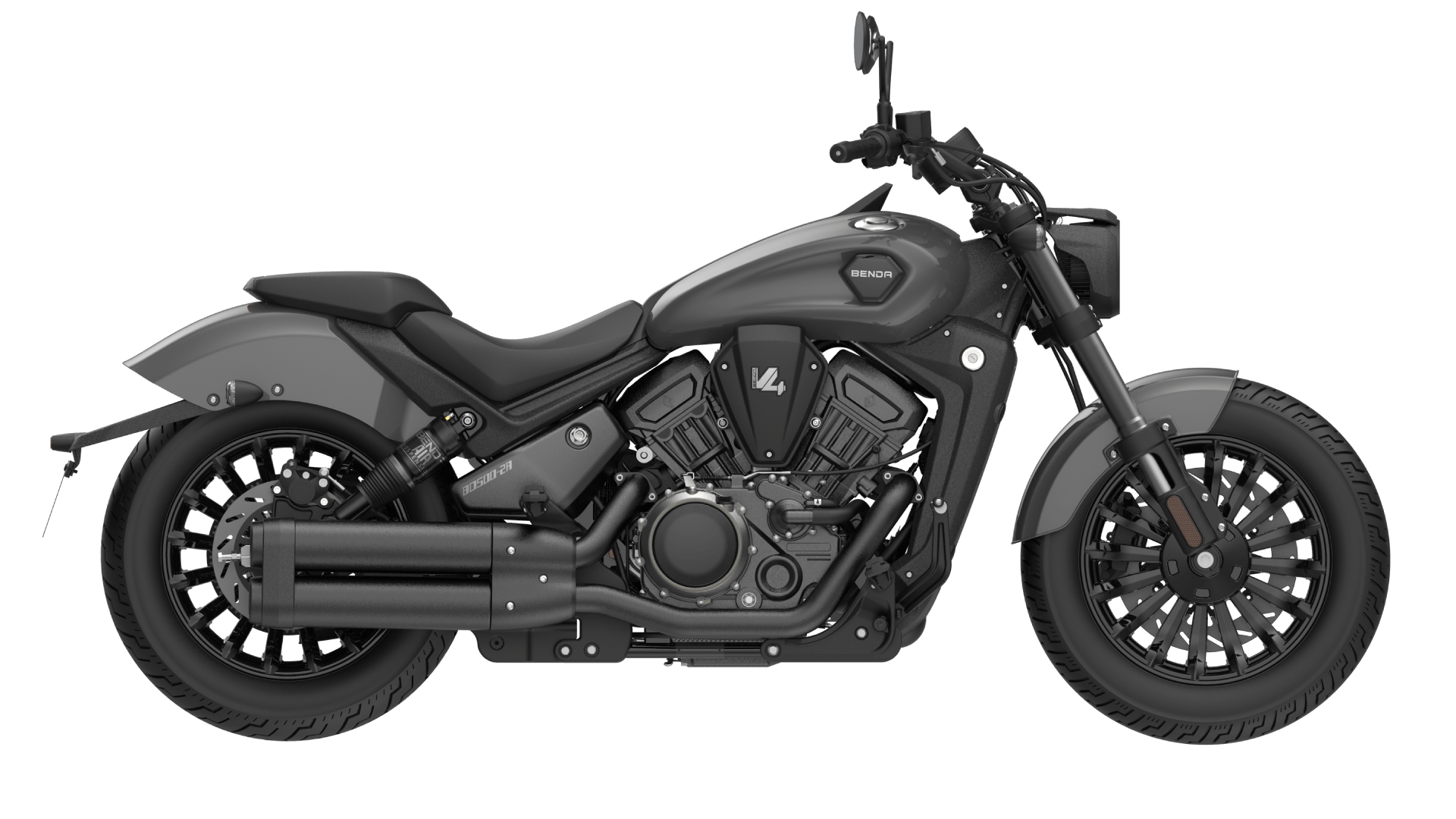
The Problem Behind the Chrome
We tend to rank cruisers by curb weight, displacement, and paint. That hides the real levers. The torque curve—not the peak number—decides how easy the ride feels in town. Rake and trail shape low-speed confidence. The final drive and gear ratios control how the engine breathes on the highway. And the ECU map can turn the same engine from smooth to snatchy in a heartbeat. Yet the old way leans on showroom vibes and a quick loop. It ignores NVH at idle, heat soak in traffic, and the way a seat and bar sweep stack on your wrists after an hour.
Traditional fixes pile on chrome or a louder pipe. They rarely touch root causes. A heavy flywheel may calm a pulse, but it can dull roll-on. A taller screen can add buffeting. Change one variable and two move. Dealers often tune around noise rules, not rider load patterns. Meanwhile, ABS modulation, throttle-by-wire response, and even the swingarm stiffness set your end-of-day focus level. That’s why a “big” cruiser can feel small at speed—and a smaller one can feel planted and calm.
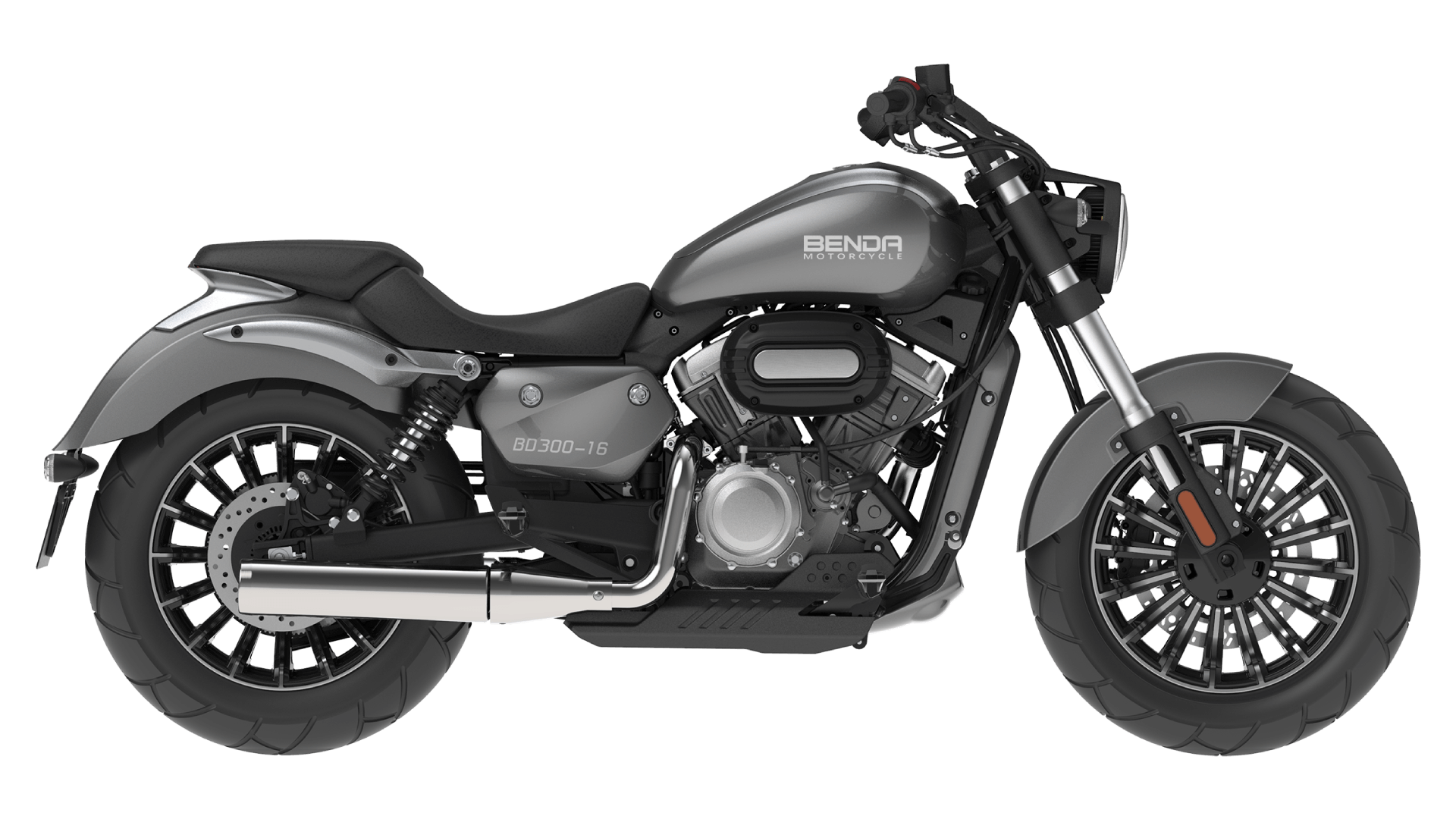
Deeper Fault Lines Riders Don’t See
Why do riders still feel tired after “easy” miles?
The short answer: micro-stress you don’t measure. The long answer starts with choice. When riders compare cruiser motorcycle brands, they test the sound and the stance. They skip the loop that shows compound fatigue. Look, it’s simpler than you think. Three elements sneak up on you. First, NVH stacks: that small buzz at 2,800 rpm turns into numb fingers by mile 60. Second, heat management: air-cooled fins can saturate in stop-and-go, and the rider triangle can trap radiant heat near the thighs. Third, gearing: tall gearing feels calm at 75 mph, but lugging at 40 mph makes the ECU hunt and the counterbalancer work harder—funny how that works, right?
Under the chrome, these issues link up. Gear ratios and final drive dictate where the engine lives; the counterbalancer and engine mounts decide how much of that pulse you feel; the seat foam density and suspension sag decide how your spine takes it. Even ABS modulation can change mental load in rain, because smoother cut-in keeps your head free. If your test ride avoids hills, wind, and brakes, you never see the pattern. You only feel the bill at mile 120.
Comparative Futures: Hardware vs. Smartware
What’s Next
We’re down to a choice: add more metal, or add more sense. The next wave blends both. Semi-active damping can read road frequency and trim rebound before your wrists notice. Edge computing nodes—in the dash, even in a helmet—can fuse tire temperature, lean, and crosswind data to nudge fuel mapping and throttle ramps. Power converters and 48V subnets can drive cooling fans smarter at idle without stressing the main loom. On connected routes, the bike could preempt heat soak by pulsing airflow as you approach a red light. If you’re browsing cruiser motorbikes for sale, this is the quiet split: two models can share displacement, but the one with sensor literacy will feel fresher at dusk.
Let’s get practical and keep the vibe—no robot overlords here. Compare two paths on the same boulevard. Path A: bigger flywheel, taller gearing, thicker seat. Path B: softer initial throttle mapping, semi-active rear shock, and a dash that tracks NVH bands you choose to avoid. Path B often wins on focus and flow. It also lets you tune feel per day, not per decade— and no, it doesn’t kill the soul. So, measure what matters. First, track thermal comfort: how hot spots build at city speed over 20 minutes. Second, map usable torque: the pull between 2,000–4,000 rpm against your actual gear spacing and load. Third, log NVH exposure: the buzz band that makes your hands tingle on your real commute. Do that, and your shortlist shrinks fast, your rides get longer, and your mind stays clear. In time, that’s the difference between a bike you polish and a bike you keep. BENDA