
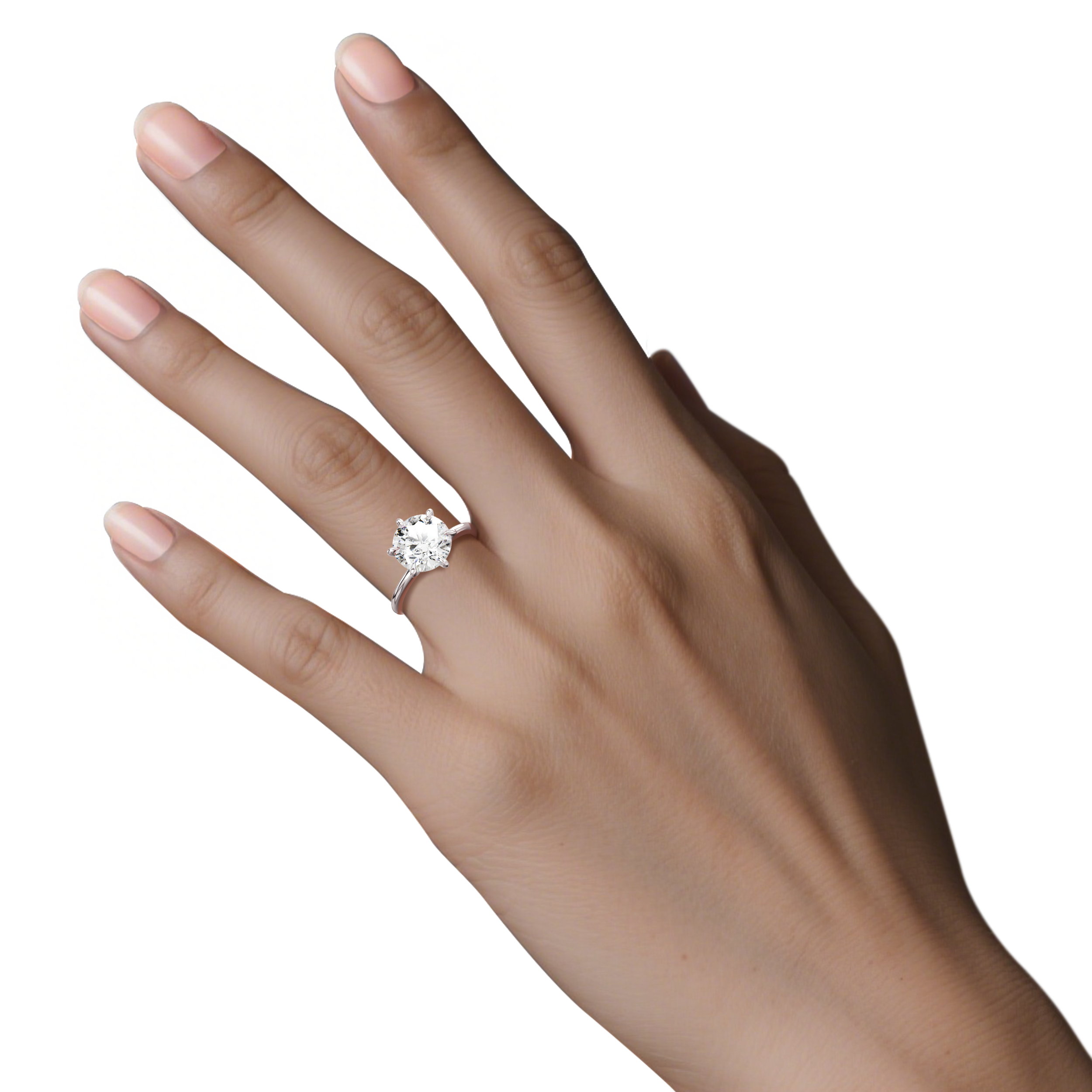
A Quick Scene, A Better Choice
You step into the shop, hands a bit sweaty, eyes wide. Bridal sets sparkle from every corner—so sweet, so tempting. But your day-to-day life? That’s the real test. You spot the marquise diamond bridal ring set, long and elegant like a whispered promise. Data says most couples browse for weeks, yet many still return for resizing or repair in the first year. Wi, zanmi, the shine is easy; the fit is the science. Think prong setting, halo, and carat weight—small words, big meaning. Are you a nurse, a coder, a chef? Your hands work hard (men wi), and the ring must work with them. So here’s the question: how do you pick a set that won’t snag your sweater, crowd your knuckles, or tire your fingers? Look, it’s simpler than you think—once you know where problems hide. Let’s walk through the real-life trade-offs then move to smarter, stress-free choices.

Pain Points Hiding in Plain Sight
Where do classic picks fall short?
Let’s go technical for a moment. The marquise shape has two points; without a proper V-tip prong, those tips can chip. A high-profile head looks grand but raises snag risk on knits and hair—funny how that works, right? The cut itself may show a “bow-tie effect” if symmetry is off, which dims the center. A thin girdle can be fragile, while an over-thin shank bends with time. Add micro pavé on a tall gallery, and you may face loose stones if you knock it often. Classic advice says “just be careful.” But life is busy. Better is a tapered shank that balances weight, a bezel or hybrid prong around the tips, and a channel setting for side stones when you use your hands a lot.
Comfort counts too. Many bands ignore finger shape. A straight, narrow shank can spin, especially with a heavier head. That twist strains the prong profile and feels clumsy by mid-day. Compare alloys: white gold needs rhodium replating; platinum resists wear but adds weight. If your knuckles swell in heat, a comfort-fit interior or sizing bar saves the day. Look, it’s simpler than you think: measure optical spread versus carat, choose a low-lift head, and ask for a contour-fit band that nests without forcing the marquise to sit too high. Your future self will say, “mèsi anpil.”

Designing for Tomorrow: Smarter Fits, Fewer Surprises
What’s Next
Now we go forward-looking. New design tools change the game—CAD modeling maps facet geometry and simulates snag paths along sleeves and hair. Makers test load on prongs and galleries, then lower the head by a millimeter or two to cut snag risk without killing fire. Labs scan hand anatomy to shape a shank with better weight distribution, so the ring stays upright. This lets a marquise run sleek while keeping V-tip protection and balanced wear. Side accents? Shared prong versus micro pavé is no longer guesswork; stress simulations show which will hold up for your lifestyle. And yes, you can compare shapes with real metrics. For daily wear, a contoured guard band can lock the set in place—no constant spinning—so the marquise looks centered every time.
Comparatively, a pear shaped bridal set shares a tapered tip but often wears softer due to its single point and rounded shoulder. With the right bezel or semi-bezel, it rides lower and snags less, yet offers big optical spread per carat. That’s the trade: marquise gives finger-lengthening drama; pear offers a gentler profile. Use tech to choose, not guess—AR sizing, mm-by-mm spread charts, clarity grade mapping, and even virtual nesting of the wedding band. The lesson so far: pick security that doesn’t look bulky, pick height you can live with, and pick a band contour that locks the set in harmony— you feel it the first week.
To wrap with clear metrics, here’s how to evaluate any set: 1) Snag/Scratch Index: head height, tip protection, and prong count scored together. 2) Maintenance Load per year: rhodium cycles, prong checks, and expected pavé upkeep. 3) Optical Spread per carat (mm across length and width): how large it looks versus what you pay. Track these, compare marquise against pear or round, and choose the one that fits your real life, pa gen pwoblèm. For deeper specs and smart, human-first design cues, keep learning with Vivre Brilliance.